Last updated November 23, 2026
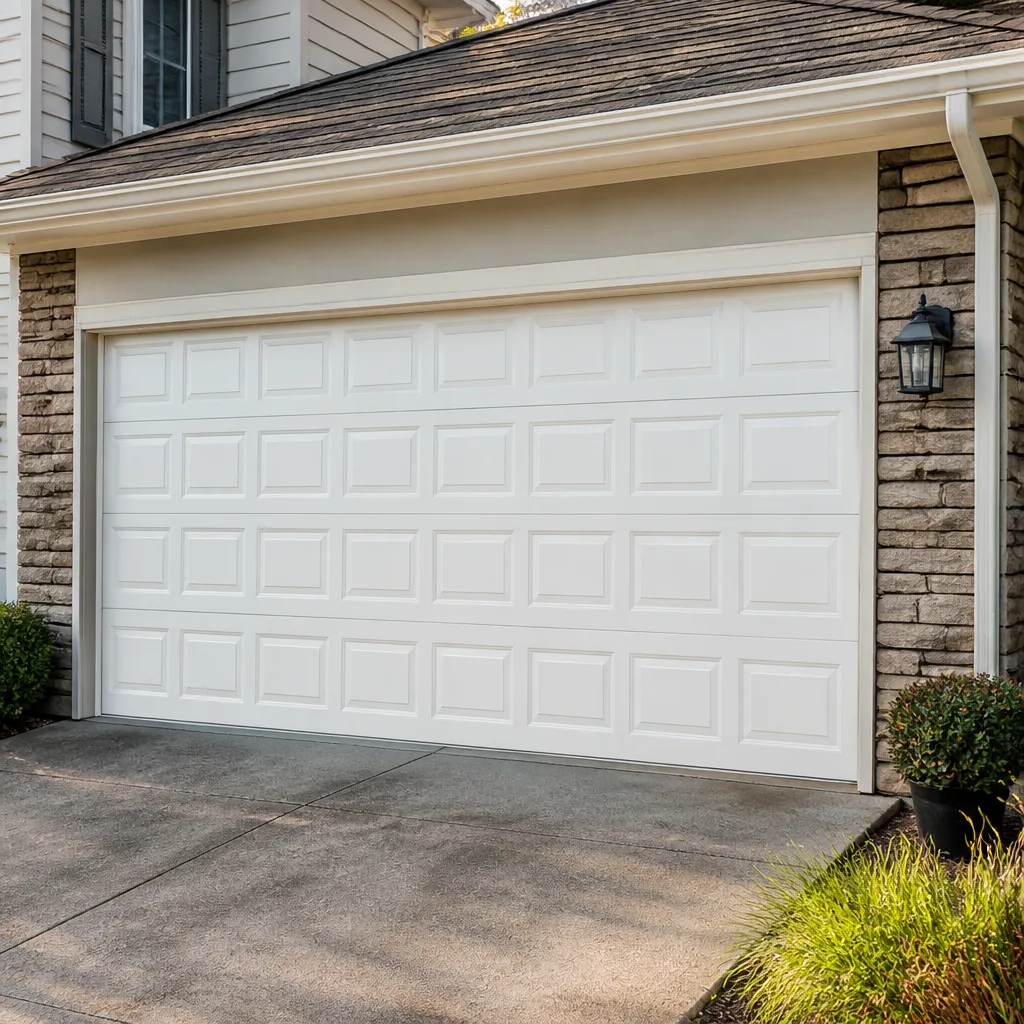 Raised-panel steel
 Carriage house
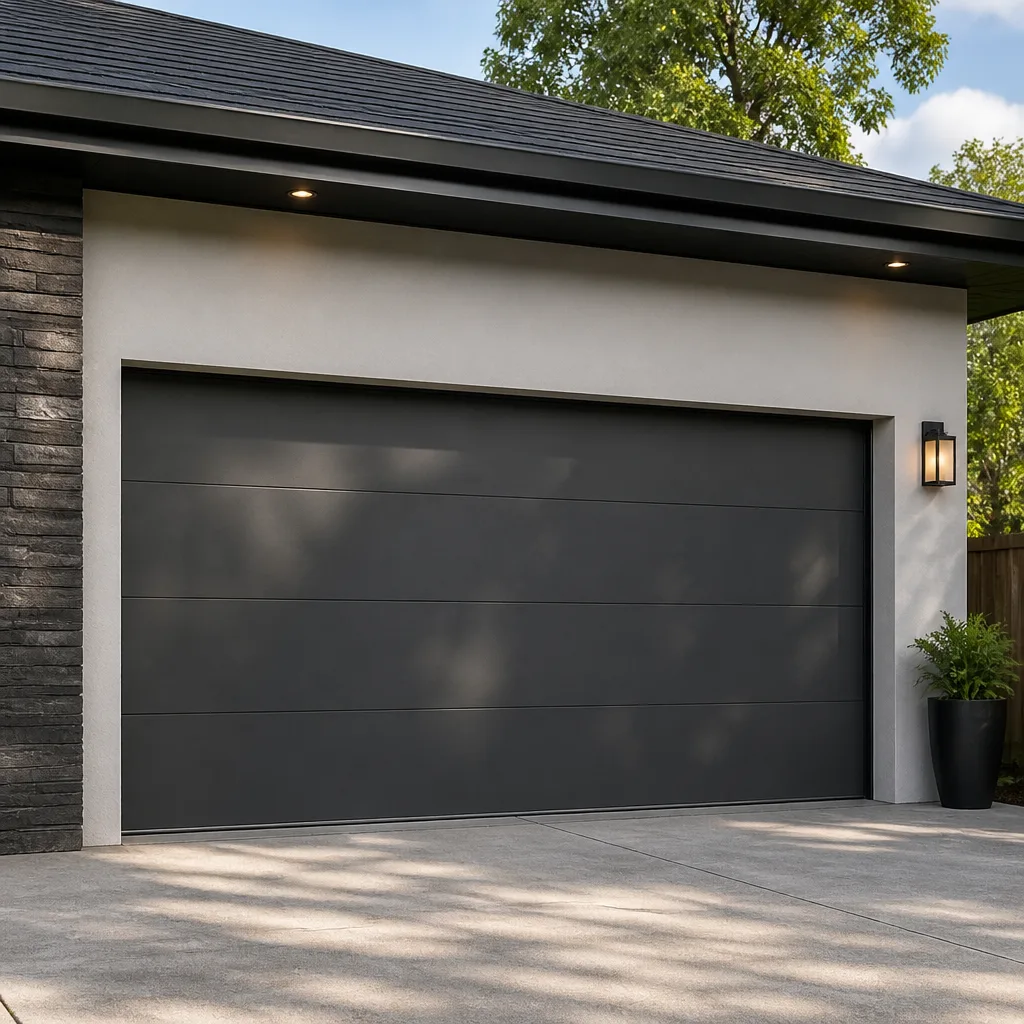 Modern flush
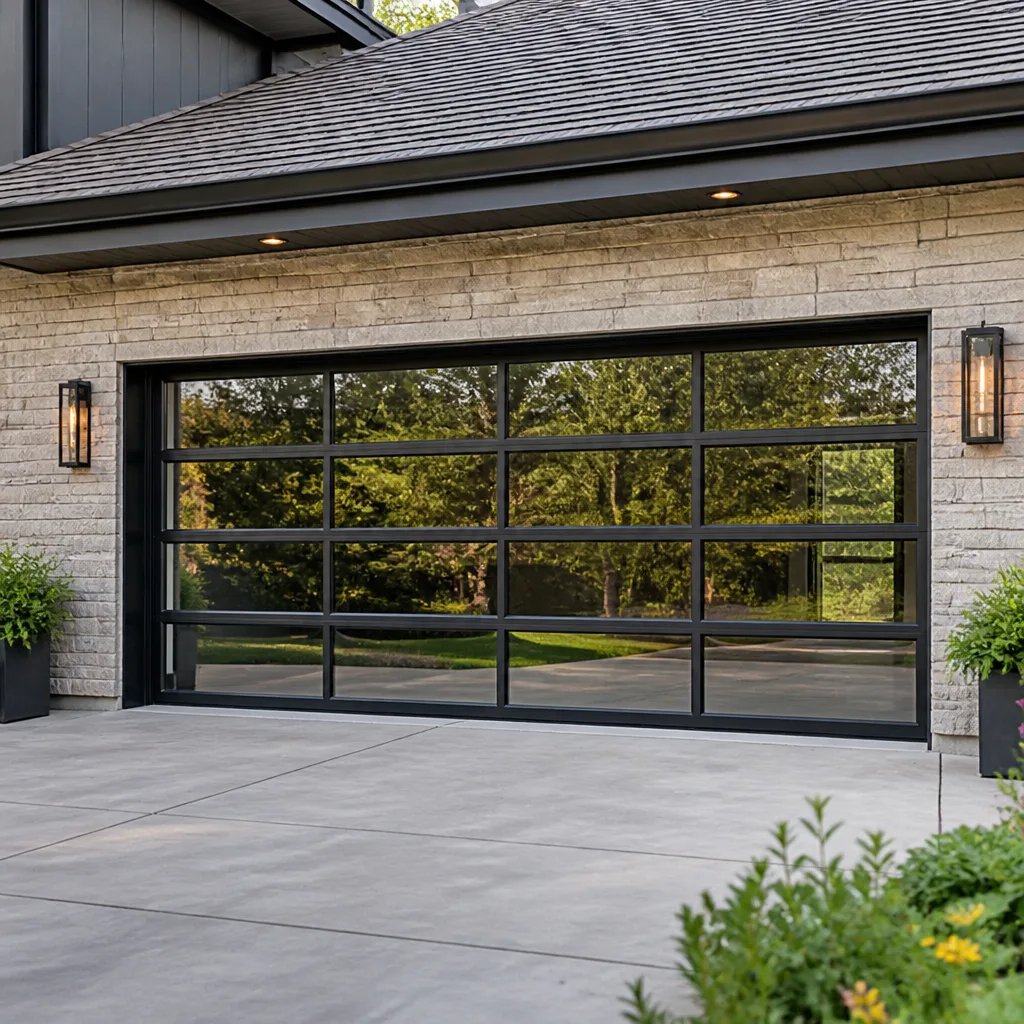 Full-view glass
 LiftMaster openers
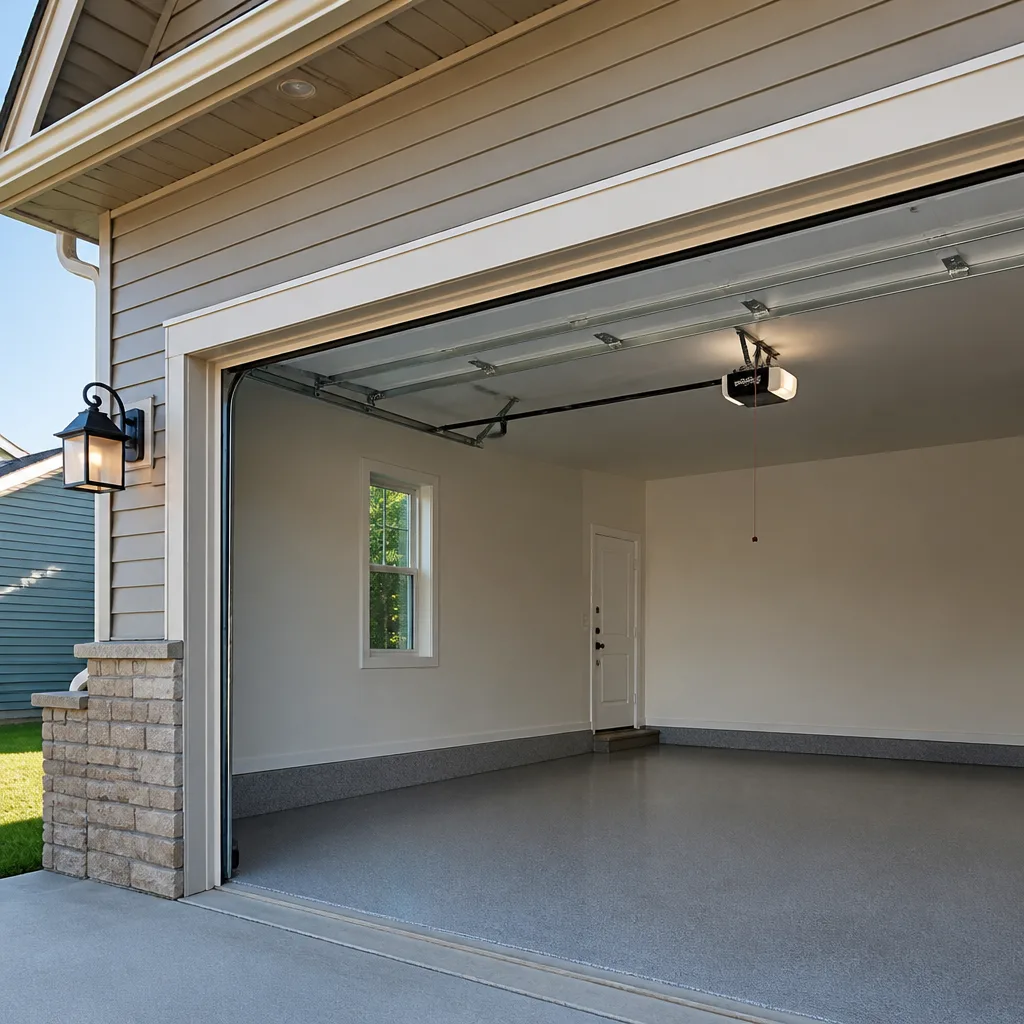 Chamberlain openers
Full 25-point door and opener safety check with every visit - springs, cables, rollers, tracks, and your LiftMaster or Chamberlain opener included
You get a price before we start. It does not change when the pro arrives.
Get your free estimateGarage Door Repair Maintenance Checklist for Rockville Homeowners
The biggest maintenance mistake Rockville homeowners make isn’t skipping lubrication. It’s lubricating the wrong parts with the wrong product. Spray a garage door’s tracks and springs with a general-purpose solvent like WD-40 and you don’t protect anything. You strip the factory grease off components that need it, attract grit onto rollers that should run dry, and quietly speed up the wear you were trying to prevent. Our technicians have up to 11 years of experience, and the same pattern shows up again and again: a door that was “maintained” every spring but still fails. This guide walks through the parts one at a time – which lubricant belongs where, what worn actually looks like, and which three jobs belong to a specialist with the right tools.
Quick Answer
A proper garage door maintenance checklist for Rockville homeowners covers five systems: rollers, cables, springs, weather seals, and tracks. Lubricate hinges, the torsion spring, and the opener’s chain or screw drive with a garage-door-rated grease or white lithium, keep rollers and tracks clean and dry, run a balance and auto-reverse test monthly, and call a specialist for any spring, cable, or track adjustment. Most of the work takes 20 to 30 minutes and catches the failures that cause far bigger repair bills later.
Styles & brands we work with
- Raised-panel steel
- Carriage house
- Modern flush
- Full-view glass
- LiftMaster openers
- Chamberlain openers
Table of Contents
- The Part-by-Part Inspection Protocol
- Which Lubricants Go Where (and Why WD-40 Doesn’t)
- The Balance Test: Reading What It Tells You
- The Auto-Reverse Test and What a Failure Means
- Rockville Wear Triggers: Road Salt, Summer Humidity, January Freeze
- A Seasonal Maintenance Calendar for Rockville
- Owner-Serviceable vs. Specialist-Only Jobs
- Common Mistakes to Avoid
- When to Call a Professional
- Frequently Asked Questions
- The Bottom Line
The Part-by-Part Inspection Protocol
Generic checklists say “inspect moving parts.” That doesn’t help you decide whether a roller is finished or just old. Here’s what each component looks like when it’s worn versus when it’s simply aged, so you can tell the difference before something fails.
Rollers
- Normal aging: slight dulling on the metal, small play of a millimeter or two at the stem.
- Worn: flat spots or a visible groove wearing into the roller face, cracked nylon, or a bearing that rattles when you spin it by hand. Two or more flat rollers usually mean the rest are close behind.
Cables
- Normal: taut, even, with a slight oil sheen.
- Worn: fraying strands near the drum, kinks, or a slack cable on one side. A frayed cable is a stop-and-call problem, not a “keep an eye on it” problem.
Springs
- Normal aging: a light rust bloom on the coils, uniform wind.
- Worn: a visible gap of more than about 2mm in the torsion spring coil, a stretched extension spring, or a door that lifts partway and won’t hold. A broken spring is unmistakable: a loud snap, and the door won’t budge from the closed position.
Weather Seals
- Normal aging: slight stiffening along the bottom.
- Worn: cracks, compression flat spots, or daylight visible between the seal and the floor. In Rockville’s humid summers, a failing bottom seal lets water creep under the door and swell the sill.
Tracks
- Normal: smooth, parallel, with even clearance to the door.
- Worn: dents, kinks, or rails pulling away from the door frame at the brackets. Any visible bend in a vertical track is a realignment job – more on that below.
Which Lubricants Go Where (and Why WD-40 Doesn’t)
WD-40 is a solvent-based product designed to displace water and cut through rust. It’s excellent on a stuck bolt. On a garage door, it’s the wrong tool. It evaporates away from hinges and springs, leaving them drier than before, and it can attract dust onto rollers that are supposed to run clean. The correct products are few and simple.
- Hinges: white lithium grease or a silicone-based garage-door lubricant. Apply a small amount at the pivot points, work the door up and down a few times, then wipe the excess. Excess grease grabs grit.
- Torsion spring: a light coat of white lithium or a dedicated spring lubricant. Apply once a year. Don’t over-spray; the goal is a thin film to slow rust and reduce coil friction.
- Rollers: no lubricant. Nylon rollers run dry. Steel rollers with sealed bearings should not need anything either – if a roller squeaks, it’s time to replace it, not grease it.
- Tracks: no lubricant. Clean with a damp cloth and a mild household cleaner, then wipe dry. Grease in a track turns into a grinding paste.
- Opener chain or screw drive: white lithium grease on the chain, a couple of drops for the screw drive, following the opener manufacturer’s recommendation. If your opener is a LiftMaster, Chamberlain, or Genie, check the manual – the guidance differs slightly by model.
- Weather seals: a silicone spray on the rubber to keep it pliable through the cold. Never oil-based products on rubber – they break it down.
One product, one cloth, one rag for the mess. The whole lubrication pass takes under 10 minutes when the parts are right.
The Balance Test: Reading What It Tells You
The balance test is the single most useful thing you can do to your door every month. It doesn’t just confirm the door is “balanced.” It tells you how much life is left in the springs. Here’s how to run it:
- Close the door and disconnect the opener using the manual release cord (usually red).
- Lift the door by hand to about waist height – halfway open.
- Let go. Don’t push, don’t help it. Step back.
- Watch what happens.
Here’s what the result tells you:
- Stays put: springs are in good shape and the door is balanced. Keep up the monthly check.
- Drifts up half a foot or more: springs are too strong or the door is too light. This is rare on an aging door. Treat it as an adjustment problem for a technician.
- Drops quickly: springs have lost tension. It’s not urgent the day you notice it, but the door will eventually fail to lift. Plan a spring repair within the next few weeks.
- Drops hard and fast, or won’t stay up at all: one or both springs are done. Stop using the door. Spring replacement is specialist work – the torsion spring holds the full weight of the door under high tension, and the wrong adjustment can cause serious injury.
Run this test in the cool of the morning if you can. On a hot Rockville afternoon the door can expand slightly, and the result reads a little off balance when it isn’t.
The Auto-Reverse Test and What a Failure Means
The auto-reverse test checks the opener’s safety sensors and the built-in pressure limit. It’s the one piece of maintenance that directly affects whether the door will reverse if a person or pet is underneath. Do this monthly, and do it with care.
- Photo-eye test: with the door open, block the small photo-eye sensor near the floor with your foot or an object. Then press the opener button to close the door. The door should stop and reverse immediately. If it doesn’t, the opener is failing or the eyes are misaligned – either is worth a call.
- Pressure test: with the door closed, stand to the side of the door (never under it) and lay a rolled-up towel or a piece of wood on the threshold. Press the button and let the door contact the object. The door should reverse on contact. If it presses down more than an inch or two, the pressure limit needs adjustment.
- Check the sensor alignment after a storm: a hard summer storm can knock the photo-eye bracket loose. Straighten it and re-test. If the opener’s LED blinks a fault code, a technician can read it on openers from LiftMaster, Chamberlain, or Genie and tell you what it means.
What a failure means: an opener that doesn’t reverse on contact is an opener you shouldn’t be trusting around kids or pets. If both automated tests fail together, the opener is the likely culprit, and that’s a garage door opener repair job rather than a door adjustment. If only one fails, it’s usually sensor alignment or the travel limits drifting, which a technician can reset quickly.
Rockville Wear Triggers: Road Salt, Summer Humidity, January Freeze
Rockville isn’t the toughest climate in the country for garage doors. But three things here do consistent, predictable damage, and our technicians see them every season.
Road salt drift
Wintry streets bring road salt that dries into a fine powder on the car and on the door. When a vehicle is parked inside a warm garage, that powder settles on the door’s bottom section, the hinges, and the spring. Salt accelerates rust on the spring and on steel rollers, which is why a spring that looks fine in October can show rusted coils by February. A quick wipe-down of the door’s bottom edge and the hinges after a spell of snow and salt pays for itself. On a Clopay or Amarr steel door, watch the door’s bottom corners for blistering paint – that’s the first sign the steel is losing its finish.
Summer storm humidity
Rockville summers swing between dry stretches and humid, storm-heavy weeks. Wooden door panels and a wood sill absorb that swing and shift. Rubber seals stiffen, then soften, then crack. Steel begins to rust at any spot where the paint has been chipped. Late summer is the time to check that the bottom seal still touches the floor evenly across its width, and that no door panel has swollen enough to rub a track.
January freeze-lock
A wet door that closes against a wet seal and then freezes is at real risk of freeze-lock – the door sticking to the floor or to its seal on a cold morning. A car pushing on a stuck door damages the opener’s drive gear and can snap the torsion spring. Spray silicone on the bottom seal in the fall, keep the sill clear of snow melt, and never force the door when it feels stuck. If it freezes shut, a hair dryer along the bottom seal does the job safely.
A Seasonal Maintenance Calendar for Rockville
Here’s how the checklist breaks out across the year for our Rockville customers. The idea is 10 to 20 minutes of owner-level maintenance each quarter, plus a professional service check when the door’s life cycle calls for it.
- Early spring: full lubrication pass (hinges, springs, opener chain). Wipe road salt off the door’s bottom section. Run the balance and auto-reverse tests. Look for rust on the torsion spring after winter.
- Late spring / early summer: clean the tracks. Check that all the door’s hinges and brackets are snug. Inspect the bottom seal for compression flat spots. Test the opener’s sensors after any heavy storm.
- Late summer: re-lubricate the spring and hinges. Check the bottom seal again, especially after a humid stretch. Watch the door’s panels for swelling or rubbing that wasn’t there in the spring. Clear out anything leaning against the door’s interior.
- Fall (before the freeze): spray silicone on the bottom seal. Check the weatherstripping around the door frame. Run the balance test one more time so you know the spring is ready for winter. Wipe the spring and hinges to check for early rust. If you’re planning on a new door in the next year, this is the season to get on a calendar – visit our garage door installation page to see the options.
- Monthly year-round: balance test and auto-reverse test. Two minutes each, every month.
The door that gets this routine typically outlives the door that gets a yearly spray-can pass. And when something does need repair, it tends to be a small, cheap fix instead of a spring or a whole opener.
Owner-Serviceable vs. Specialist-Only Jobs
Most garage door maintenance is well within the reach of a careful homeowner. A smaller subset is dangerous enough that we recommend leaving it to a trained technician every time. Here’s the honest line.
Owner-serviceable
- Lubricating the hinges, springs, and opener chain with the correct product.
- Cleaning and drying tracks.
- Replacing a bottom weather seal.
- Replacing a snapped hinge or a bent roller (they’re usually a 10-minute swap).
- Resetting photo-eye sensors and clearing objects from the sensor path.
- Running the monthly balance and auto-reverse tests.
Specialist-only
- Spring adjustment or replacement. The torsion spring holds the full weight of the door under significant tension. A wrong move can cause serious injury. This is why so many handymen decline to touch it. Rockville Garage Door Repair Co handles spring repair with trained technicians and the correct winding bars.
- Cable replacement or tensioning. Cables are under tension and can snap back. The risk to your hands and face is real, and setting the tension wrong can drop the door.
- Track realignment. A bent track has to be straightened or replaced and then re-squared to the door frame. Force the wrong way, and the door comes off the rails.
- Anything wrong with the torsion assembly, the drum, or the spring anchor bracket. The whole assembly is a single system; adjust one part and the others shift.
For those four jobs, call a specialist. Garage door repair that keeps you safe is worth the service call.
Common Mistakes to Avoid
- Spraying WD-40 on the tracks and springs. It cuts the grease you want to keep and attracts dust you don’t. Use white lithium grease on hinges and springs, nothing on the tracks.
- Greasing the rollers. Nylon rollers run dry. Grease collects grit and wears the roller faster than if you’d left it alone.
- Forcing a frozen door in January. A stuck door pushes the opener to its limit and can snap a spring. If it won’t budge, don’t push – clear the ice from the seal and try again.
- Ignoring the auto-reverse test. It’s the one monthly check that protects people underneath the door. Sliding it into a yearly routine is the most common mistake we see in Rockville garages.
- Trying to adjust the torsion spring yourself. The spring will hold hundreds of pounds of tension even when it feels slack. It is the single most common source of serious garage door injuries. Leave it to a technician.
- Leaving the bottom seal to fail for a season. A failed seal lets humidity into the sill and the garage floor. A swollen wood sill is an expensive repair; a new seal is a cheap one.
- Letting road salt sit on the door after winter. The door’s bottom corners are where paint fails first and rust sets in. Then it’s the spring, then it’s the rollers, then it’s the repair bill.
These seven cover most of what we see when a Rockville door fails well before it should. A yearly conversation with a technician catches what a homeowner can’t see – and the cost of that conversation is usually less than the repair it avoids.
When to Call a Professional
Call a specialist the moment you spot any of the following: a broken or rusty torsion spring, a snapped or slack cable, daylight under a bottom seal that you’ve already replaced once, a door that won’t hold halfway open, a track with any visible bend, or a door that’s come off its rails. Call with any unsafe auto-reverse result too, since that’s a safety issue as much as a mechanical one. If the door is stuck or your home is unsecured, that’s an emergency situation and worth a fast call rather than a wait. Rockville Garage Door Repair Co offers free estimates in Rockville – call (855) 337-1750, and a technician will walk through what you’re seeing and quote the job in writing before any work starts. For everything from spring repair to a full new install, that single call covers it.
Frequently Asked Questions
Two or three times a year is right for most Rockville homes. The hinges, torsion spring, and opener chain are the parts that need it. Rollers and tracks should stay dry, so no lubricant goes there at all. If the door is under heavy daily use, add a fourth pass in midwinter. The whole job takes under 10 minutes and prevents most of the squeaks and groans that prompt a service call.
No, WD-40 is not the right product for most garage door parts. It’s a solvent that displaces moisture and evaporates, stripping away the grease that hinges and springs need to stay protected. On tracks and rollers, it can attract dust. Use white lithium grease or a garage-door-rated silicone product on the hinge and spring; leave the tracks and rollers clean and dry. Call (855) 337-1750 if you’re unsure which product to use on your specific door.
A spring that’s about to break usually shows a gap in the torsion coil or a stretched extension spring, and the door starts to feel heavier than it should. Run the balance test monthly: with the door disconnected and opened to waist height, let go. If it drops quickly or won’t stay up at all, the spring is failing. In Rockville, watch the spring for road salt rust through the winter too. Call (855) 337-1750 for a spring repair estimate before it fails completely.
No. Torsion spring adjustment is the one garage door job that should always go to a trained technician. The spring holds the full weight of the door under significant tension, and the wrong move with the winding bars can cause serious injury. A broken spring, a gap in the coil, or a door that won’t lift are all reasons to call rather than try. Call (855) 337-1750 – estimates are free.
Before the first freeze in Rockville, spray silicone on the bottom weather seal to keep it pliable, wipe the spring and hinges to check for rust, and run the balance test so you know the spring is healthy. Clear any snow melt from the sill, and test the auto-reverse once more. These three steps take about 20 minutes and prevent the freeze-lock problem that snaps springs in January. Call (855) 337-1750 if you’d rather have a technician run the pre-winter check.
Ballpark, an owner-level maintenance pass costs nothing but your time. A professional service call for adjustment, lubrication, and a safety test typically runs the cost of a routine service call – a very different number from a repair, and usually less than the repair it prevents. Spring replacement, cable repair, and track realignment are quoted per job after a technician sees the door. The written quote is the price, agreed before work starts. Call (855) 337-1750 for a free estimate.
The Bottom Line
Maintenance isn’t about spraying a can on the door every spring. It’s about the right lubricant on the right part, a two-minute balance test every month, and a clear line between what you can handle and what belongs to a specialist. In Rockville, road salt, summer humidity, and a January freeze are the three predictable wear triggers – watch for them and you’ll catch most failures before they happen. Our technicians have up to 11 years of experience and handle any brand your door might be, from Genie openers to Clopay, Amarr, and Wayne Dalton doors. When something needs a specialist’s eyes, Rockville Garage Door Repair Co is one call away.
If it’s time for a technician, call (855) 337-1750 for a free estimate. Whether it’s a spring that’s showing its age, a door that won’t balance, or a full new install, we’ll look at it, explain what we’re seeing, and give you a written quote before any work starts. That’s the whole offer.
For more about the specialist team, visit Rockville Garage Door Repair Co.
Written by the team at Rockville Garage Door Repair Co.
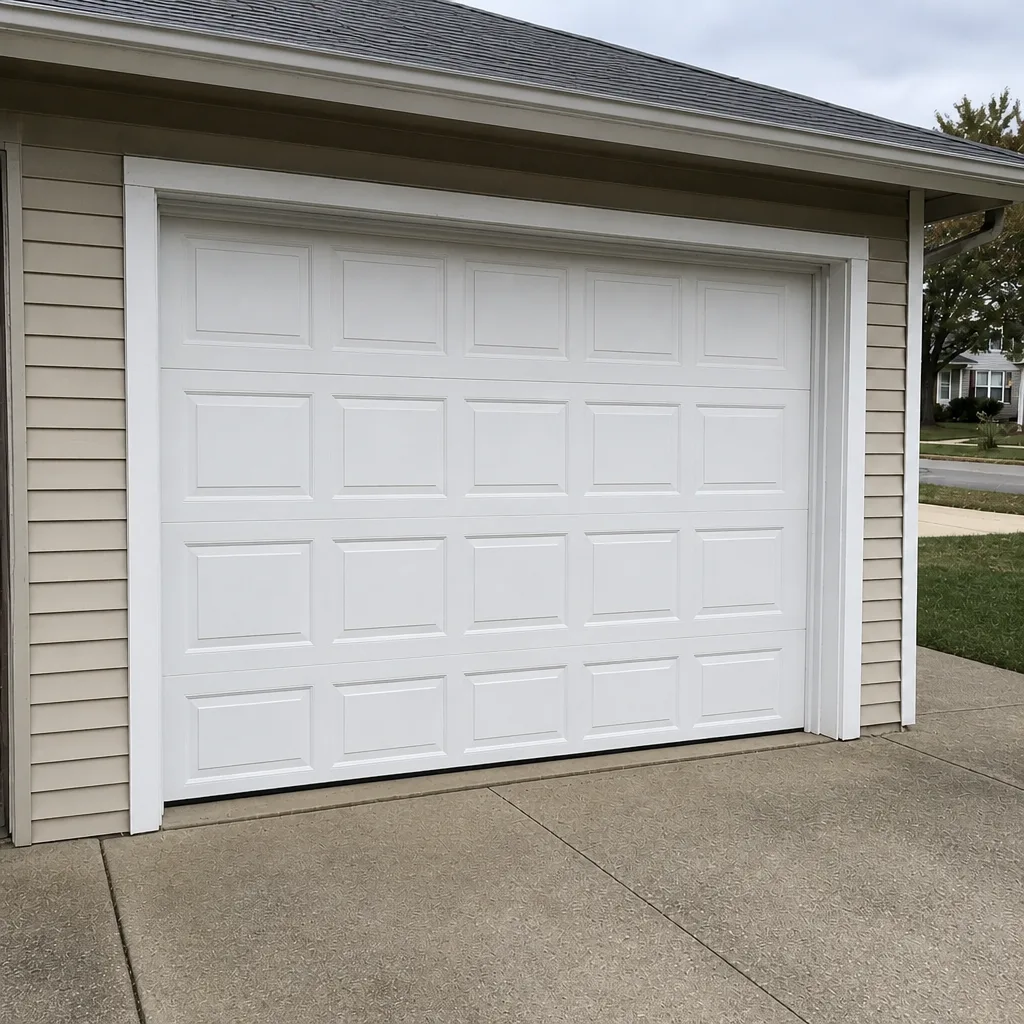
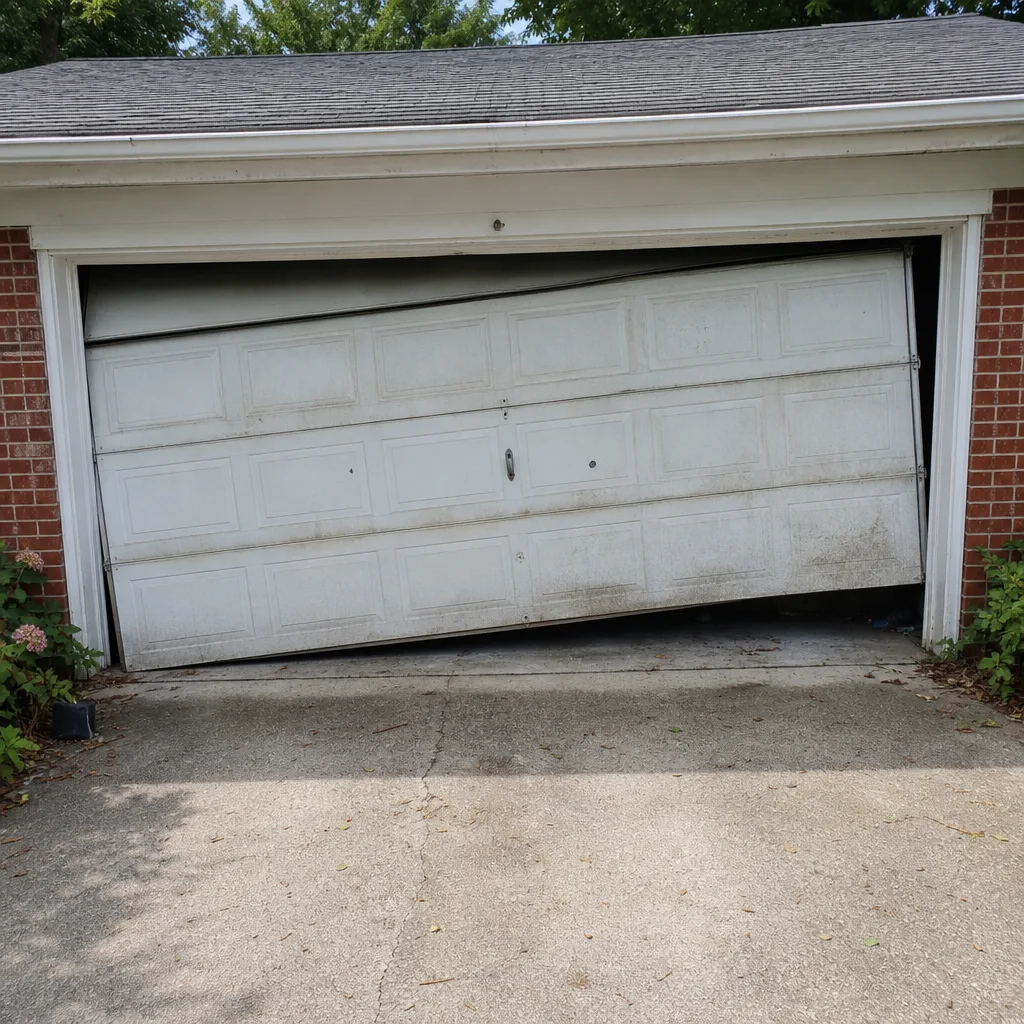
See the difference
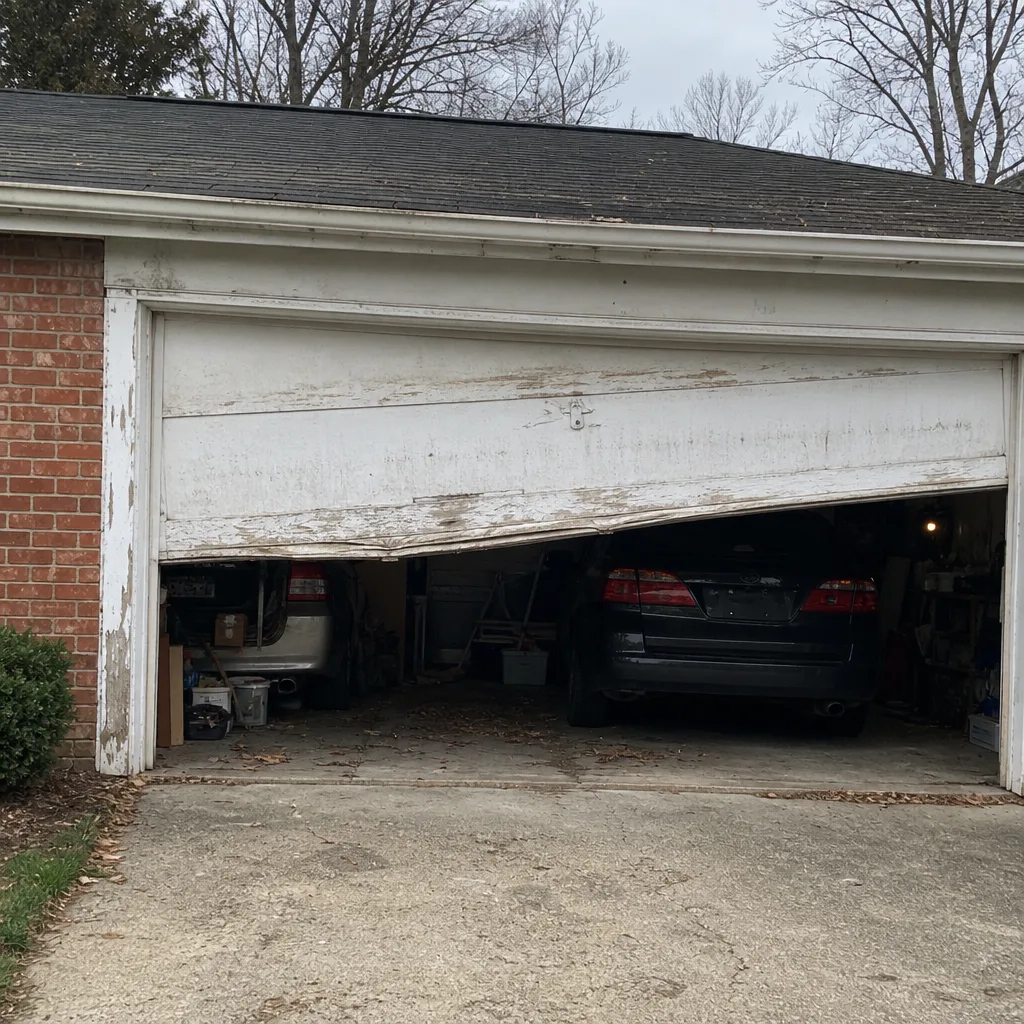 Before
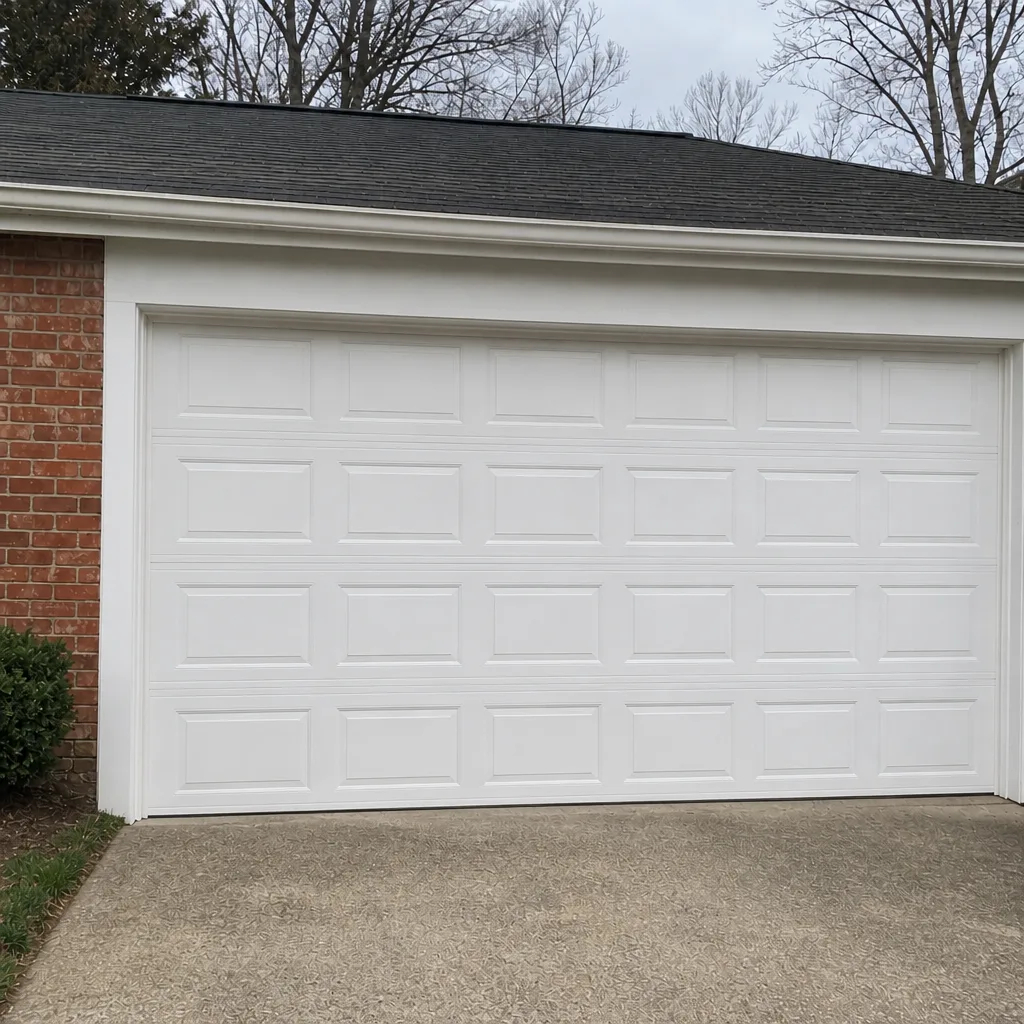 After
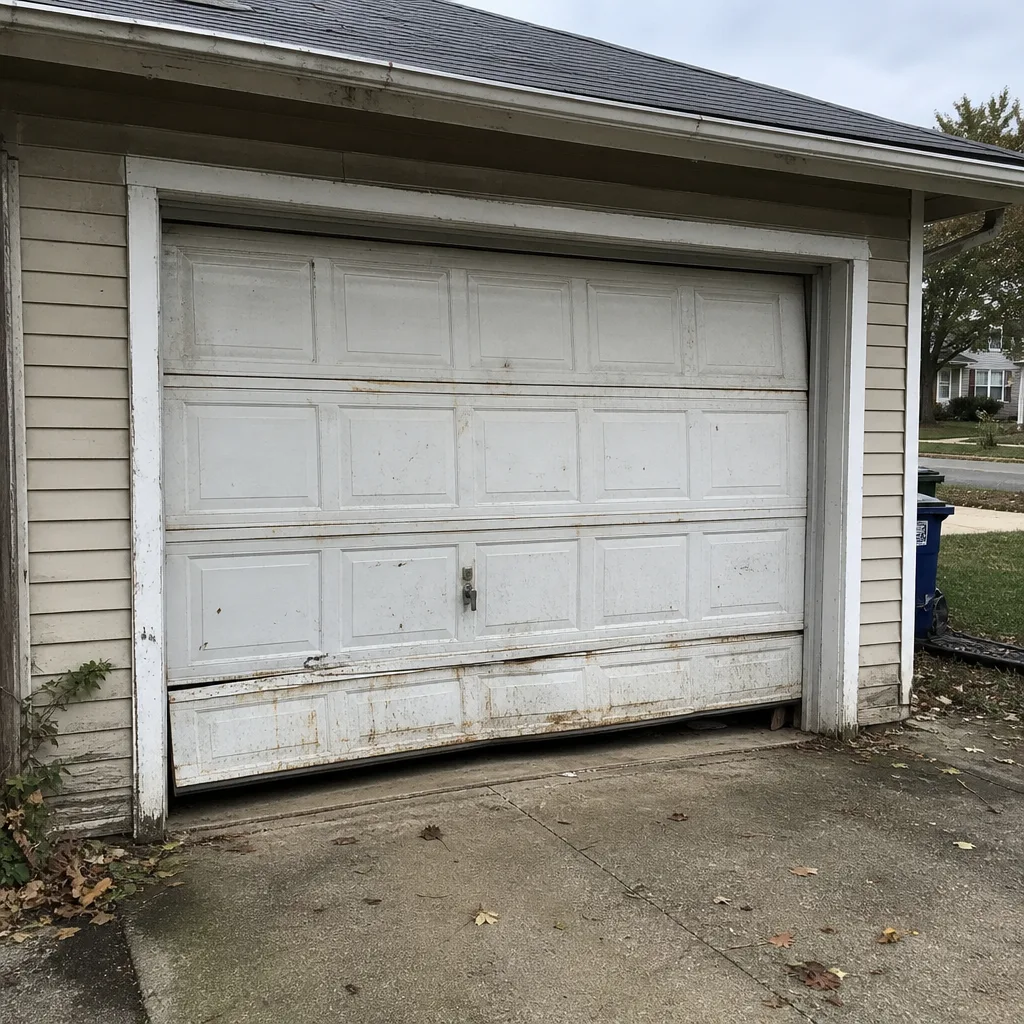 Before
 After
 Before
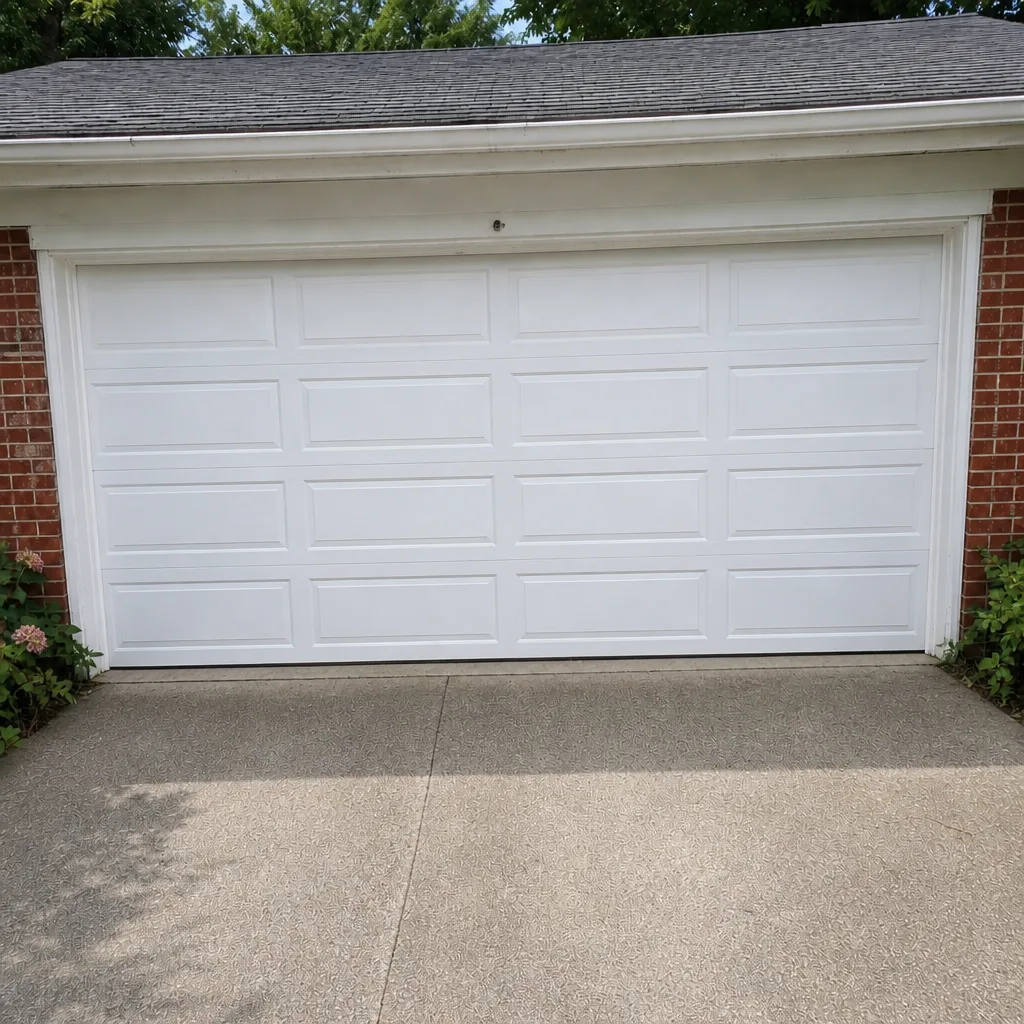 After