Last updated November 23, 2026
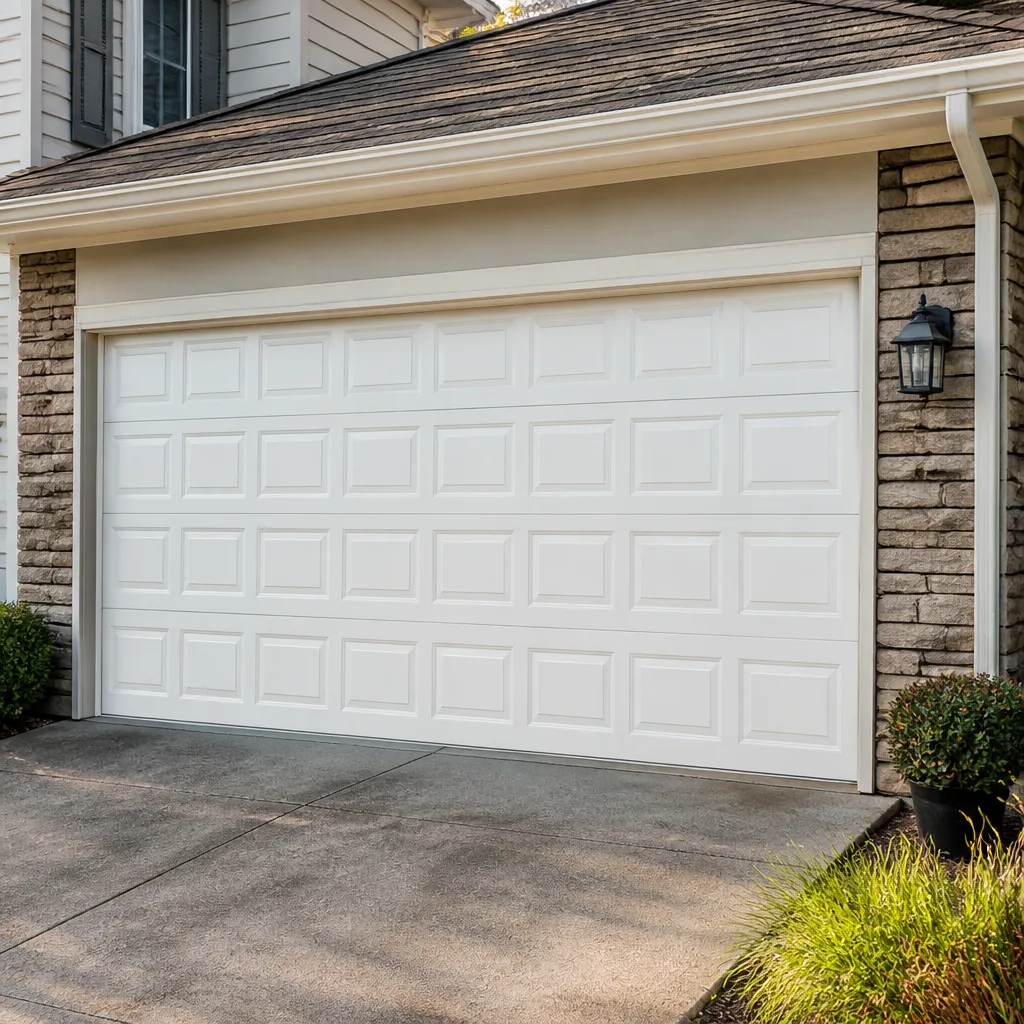 Raised-panel steel
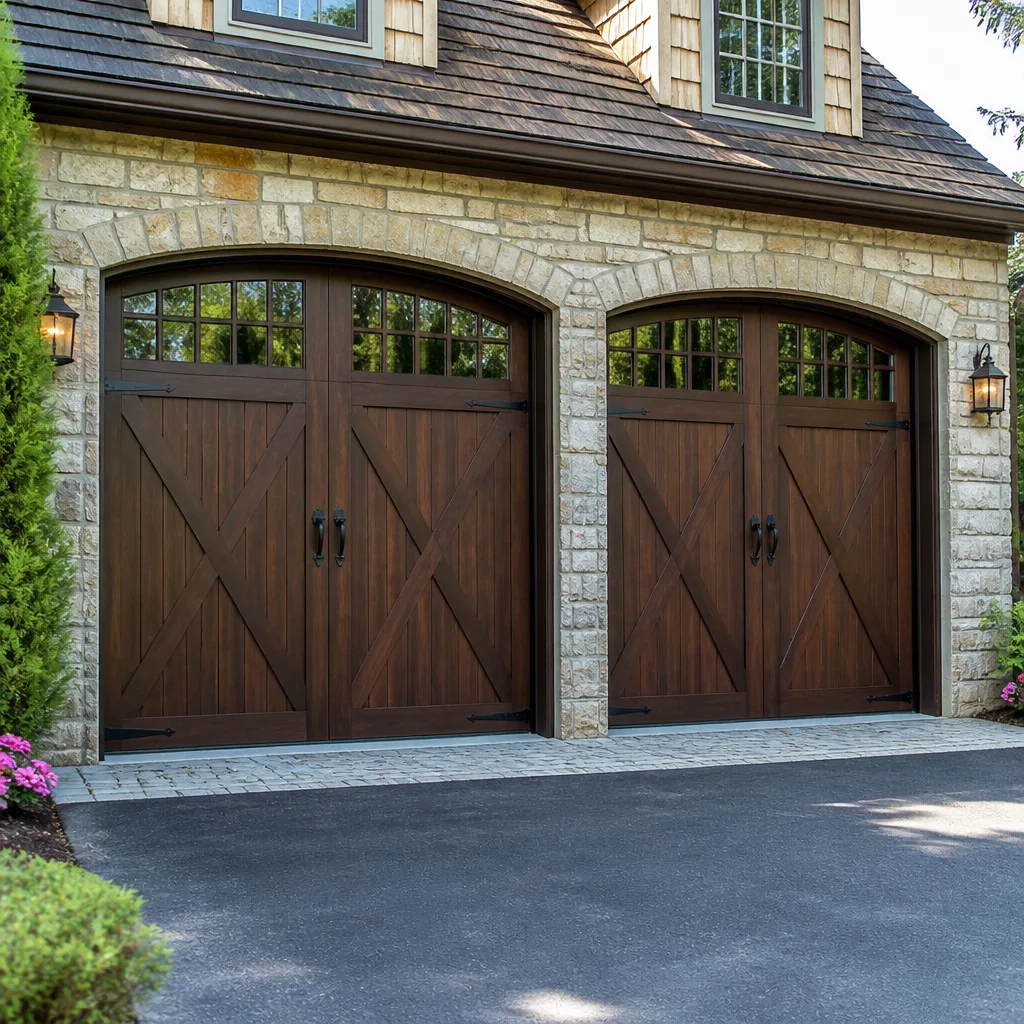 Carriage house
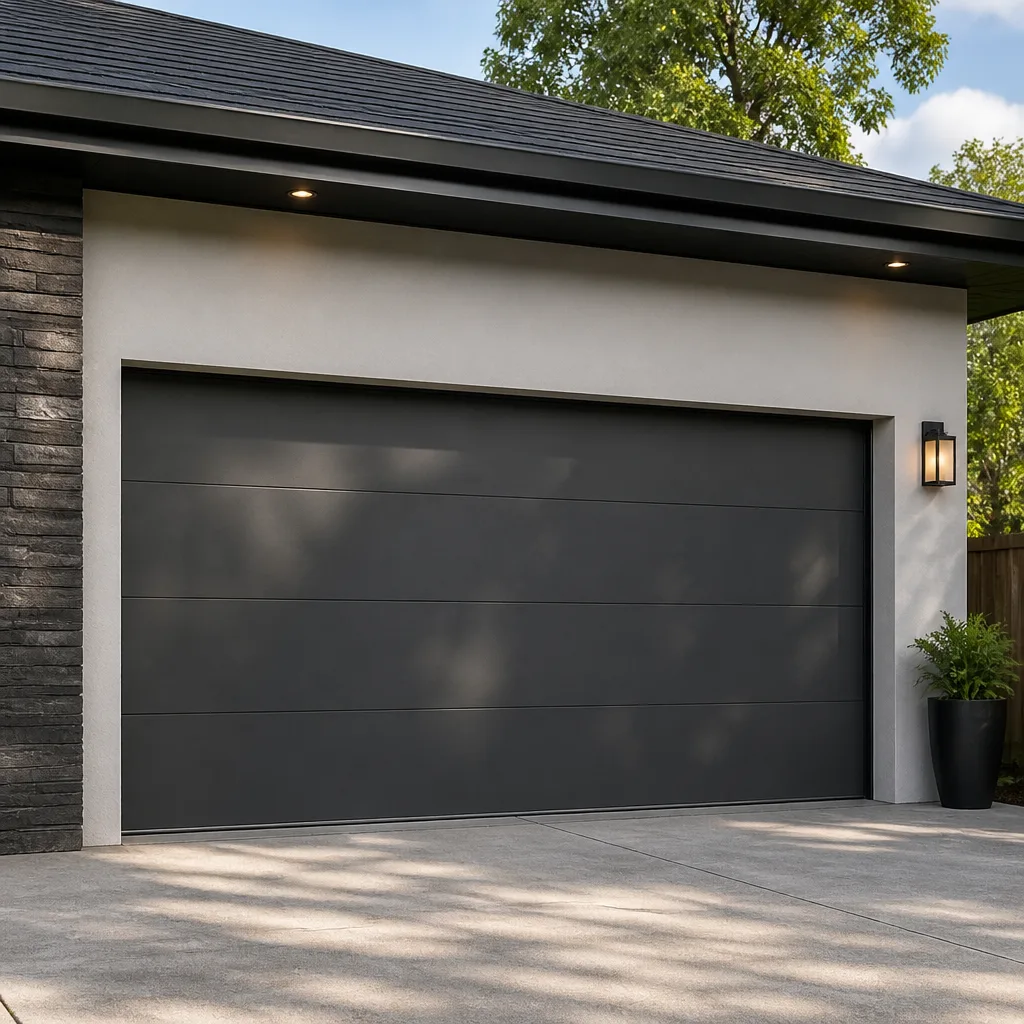 Modern flush
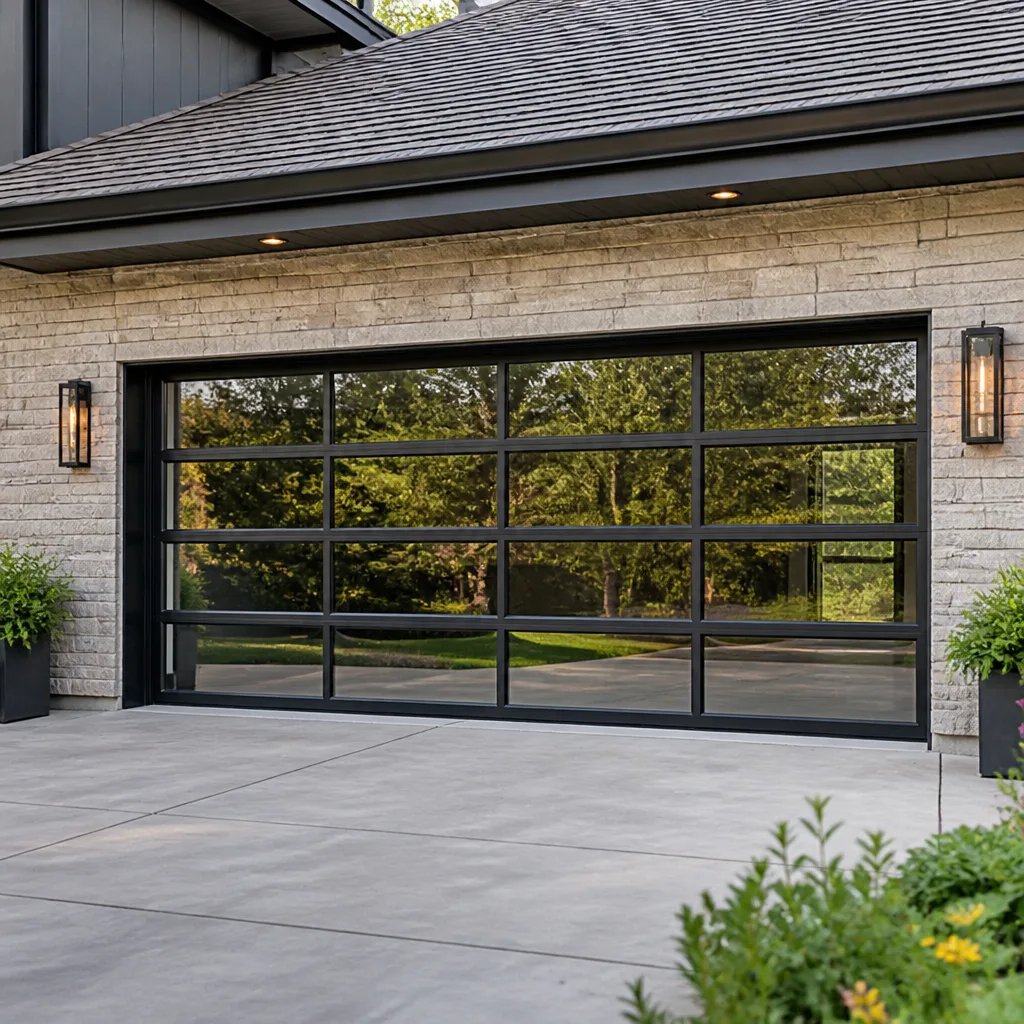 Full-view glass
 LiftMaster openers
 Chamberlain openers
Full 25-point door and opener safety check with every visit - springs, cables, rollers, tracks, and your LiftMaster or Chamberlain opener included
You get a price before we start. It does not change when the pro arrives.
Get your free estimateGarage Door Warning Signs: A Rockville Homeowner’s Reference Guide
Grinding and scraping sound similar through a garage door, and most homeowners can’t tell them apart. That distinction matters, because one is usually a lubrication fix and the other is a structural warning that could mean a cable or roller is about to fail. Garage doors rarely give out without warning. They telegraph trouble through sound, speed, and visible symptoms, and the people who read those signals early spend far less on repairs than the ones who wait. We’ve seen this play out across Rockville for years. This guide walks through what each sound and symptom actually means, how to separate a same-day problem from a scheduled one, and how to keep a small issue from growing into a major repair. Every section applies whether you own a LiftMaster opener or an older Raynor door.
Quick Answer
Garage door warning signs fall into two categories: those that need same-day service (loud popping, a door that drops fast, a snapped cable, an off-track door, or any door that won’t stay down) and those that can wait for a scheduled visit (squeaks, slow rolling, minor dents, or a door that hesitates briefly). Grinding usually means dry or worn rollers and tracks, while scraping often points to a rubbing panel or bent track. If you notice a loud snap followed by the door becoming very heavy, stop using the door and call a professional.
Styles & brands we work with
- Raised-panel steel
- Carriage house
- Modern flush
- Full-view glass
- LiftMaster openers
- Chamberlain openers
Table of Contents
- Sound-by-Sound Diagnostic: What Each Noise Means
- Visual Warning Signs by Location
- Speed and Movement Anomalies
- The Slow Creep Problem
- Which Signs Need Same-Day Service vs. Which Can Wait
- Rockville Climate and Seasonal Patterns
- How to Prevent Most Failures
- Common Mistakes to Avoid
Sound-by-Sound Diagnostic: What Each Noise Means
Every noise a garage door makes points to a specific component. Matching the sound to the part saves time and often saves money, because a technician can arrive already knowing what to check. Here’s how we break down the most common sounds and what each typically implicates.
- Grinding: Usually worn or dry rollers, or debris in the tracks. Rarely urgent in the early stages, but it accelerates wear on the opener.
- Scraping: Often a panel rubbing against the track, a bent section, or a misaligned bottom seal. Can indicate a structural issue and should be looked at before the door moves again.
- Popping: Frequently a sign of a spring that’s near the end of its life or a cable that’s slipping. This one tends to be urgent because a spring under tension can fail suddenly.
- Rattling: Loose hardware, opener bolts, or a chain-driven opener that needs adjustment. Rarely dangerous but easy to fix and worth addressing before it worsens.
- Squealing: Metal-on-metal contact, usually the rollers or hinges. A lubrication issue in many cases, but worth confirming.
- Banging or slamming: The door is hitting hard at the end of its travel. Often an opener force-limit issue or a failing spring. Needs attention soon.
When a homeowner in Rockville calls us about a grinding sound, we’ll ask whether the noise is present on both the way up and the way down, and whether the door looks level. Those two details narrow down the cause before a technician arrives. If you can’t describe the sound clearly, try to record it on your phone during one open-close cycle. That’s often the fastest way to get an accurate diagnosis.
Visual Warning Signs by Location
Sounds get most of the attention, but the surfaces of the door tell their own story. Walk around your door in Rockville with the opener off and the door down, then again with it open. Look at each of these areas in order.
Door Surface and Panels
- Dents or creases that weren’t there before, especially near the bottom
- Rust spots along the bottom edge or on steel panels, which tend to worsen with our humid summers
- Paint or finish peeling in patches on older wood doors
- Panels that look bowed or out of line with their neighbors
Bottom Seal
- Torn, flattened, or missing sections
- A visible gap between the seal and the floor, which lets in water and critters
- The rubber sticking to the floor in cold weather, which can strain the opener
Tracks
- Bends, dents, or kinks, especially where the horizontal track meets the vertical
- Debris, cobwebs, or buildup that can cause the rollers to jump
- Tracks that look out of parallel, or that pull away from the wall or header
Springs
- A visible gap in the spring coil (on torsion springs, this is a clear sign of a broken spring)
- Rust or heavy wear near the coil ends
- Extension springs stretched unevenly or hanging loose
Cables
- Frayed, kinked, or curled strands
- Cables off their drums, hanging slack, or wrapped unevenly
- Rust on the drum or cable ends
Opener Unit
- Loose bolts or a housing that vibrates more than usual
- Chain or belt sag under the rail
- Indicator lights flashing codes, which often mean a travel-limit or sensor issue
If your opener is a LiftMaster, Chamberlain, or Genie, check the unit’s manual for what its blinking codes mean before calling. Some codes point to a simple sensor misalignment; others indicate that the opener motor is straining. We service all three brands, so if the manual isn’t handy, a quick call to us usually clears it up.
Speed and Movement Anomalies
Watch the door’s motion the way you’d listen to an engine. A healthy door moves smoothly and at a consistent speed. Any of the following patterns points to a balance or tension issue that deserves inspection.
- Hesitation at the start or end: The door pauses briefly before moving or before fully closing. Often an opener force setting or a sign that a spring is losing tension.
- Jerking or stuttering: Movement that comes in fits and starts. Usually a roller, track, or opener gear issue.
- Uneven closing: One side reaches the floor before the other. Often a cable balance problem or a bent track, and it can strain the panels over time.
- Rapid descent at the end: The door picks up speed as it nears the floor. Usually a spring issue or an opener force-limit problem, and this one matters for safety.
- Slow overall travel: The door moves noticeably slower than it used to. Often a motor or capacitor issue in the opener, particularly on older units.
Speed changes don’t happen overnight, so if the door feels different this week than it did last month, take that seriously. In our experience, homeowners who notice movement changes early often catch a spring or cable issue before it turns into panel damage. That’s the gap between a garage door repair that touches one component and a repair that touches three.
The Slow Creep Problem
A door that drifts open or closed a few inches after it stops is one of the most misread symptoms on a garage door. Many homeowners assume the opener is at fault, but in most cases the opener is doing exactly what it was told. The real issue is spring tension, cable balance, or a door that’s become heavier on one side.
Here’s what that looks like in practice. You close the door, walk away, and come back twenty minutes later to find it sitting an inch off the floor. Or you open it, and by the time you’re in the car, it has slid partway down. On a properly balanced door, the spring tension matches the door’s weight so the opener can move it easily. When a spring weakens, the door’s weight wins the fight, and gravity pulls it out of position.
Left alone, creep usually gets worse. The opener compensates by working harder, the motor heats up, the force limits get pushed, and eventually the opener fails at the same time as the spring. That’s an expensive combination. If your door creeps in Rockville, the right next step is a balance check, not a new opener. A technician can test balance by releasing the door from the opener and lifting it to the halfway point. A balanced door stays where you leave it. One that sinks or rises on its own needs a spring or cable adjustment before anything else is replaced.
Older doors in Rockville neighborhoods with homes from the 1970s and 1980s are especially prone to this. The springs in those doors may have been cycling for decades, and while modern high-cycle springs can last far longer, an older unit doesn’t always get replaced until something else fails. If you’re not sure when the springs were last serviced, a balance check is cheap insurance.
Which Signs Need Same-Day Service vs. Which Can Wait
The hardest part of reading garage door warning signs is knowing when to drop everything and when to schedule. Here’s the tier we use to help Rockville homeowners prioritize.
Call now – stop using the door
- A loud popping sound followed by a door that feels extremely heavy
- A snapped cable, or a cable hanging loose
- A door that has come off-track or is visibly crooked in the opening
- A broken torsion spring (visible gap in the coil)
- A door that won’t close, or that reverses and reopens repeatedly
- An opener that smells like burning or trips a breaker
Schedule within a few days
- Grinding or squealing that’s gotten louder over several weeks
- A door that hesitates, jerks, or closes unevenly but still operates
- Visible dents or panel damage that doesn’t affect operation
- An opener that occasionally fails to respond to the remote
- A bottom seal that’s torn but the door still closes
Wait for a scheduled tune-up
- Rattling from loose hardware
- Minor squeaks that show up in cold weather
- Routine lubrication and adjustment of a door that’s working normally
- Cosmetic rust spots or finish wear
When in doubt, err toward the higher tier. A broken spring under tension can cause serious injury if it’s handled without the right tools and training, and a door that comes off its track can fall. This is one of the few areas of home maintenance where the DIY instinct is genuinely dangerous. Call a trained technician instead.
Rockville Climate and Seasonal Patterns
Rockville’s weather puts a specific kind of wear on garage doors. The swings between humid summers and cold winters work on metal and wood in different ways, and knowing what to expect each season can help you plan ahead.
In summer, the heat and humidity tend to swell wood panels and soften rubber seals. Doors with wood or composite panels can bind in the tracks during the hottest weeks, and the bottom seal can stick to a hot concrete floor. If you notice your door working harder in July and August, that’s usually why. Lubricating the tracks and keeping the bottom seal clean helps, and adjusting the opener force limit slightly higher for the season is a common fix.
In winter, cold shrinks metal parts and can make stiff components harder to move. Springs are less ductile when cold, so a spring that’s already near the end of its life is more likely to snap in January than in October. Gaps around a bottom seal can let in cold air, which is a comfort problem more than a safety one, but it’s worth fixing before the next cold snap. Around Rockville, salt and de-icing residue from the driveway can also end up on the door bottom and track, so a quick rinse on dry days extends the life of the hardware.
Spring and fall are the best times for a tune-up. If you haven’t had your door serviced in over a year, schedule one during a mild stretch. Technicians can catch the wear that builds up over summer or winter before it turns into a same-week emergency.
How to Prevent Most Failures
Most garage door failures we’re called to in Rockville didn’t happen overnight. They started as a small issue that no one addressed. Here are the habits that make the biggest difference.
- Look and listen once a month. Run the door up and down, listen for new sounds, and watch for speed changes. Two minutes a month is enough.
- Lubricate twice a year. Use a garage-door-specific lubricant on the rollers, hinges, and spring coil (not WD-40, which attracts dirt). Spring and fall are good timing.
- Keep the tracks clean. Wipe down the tracks and check for small stones, debris, or hardened grease. Don’t lubricate the tracks themselves – a small amount on the rollers is enough.
- Test the safety reversal monthly. Place a small object under the door and close it. The door should reverse. If it doesn’t, the sensors or opener force limits need adjustment.
- Don’t force a struggling door. If the door jerks or hesitates, stop using it and have it checked. Forcing it wears the opener and panels.
- Watch the opener indicator light. Most modern openers – including LiftMaster, Chamberlain, and Genie units – flash diagnostic codes when something’s wrong. Keep the manual handy.
- Schedule a tune-up once a year. A technician can spot worn rollers, cable wear, and spring fatigue before they turn into a breakdown.
For homeowners who want the full picture on maintenance and larger jobs, our garage door installation page covers what to expect when a door reaches the end of its life. Older doors in Rockville often don’t fail suddenly – they just accumulate enough wear that replacement makes more sense than repeated repairs.
Common Mistakes to Avoid
- Assuming everything is “normal aging.” A door that’s getting harder to open isn’t just old – it’s usually telling you a spring or opener is failing. Waiting a few more months often converts a small repair into a big one.
- Using the wrong lubricant. WD-40, cooking oil, or general-purpose grease attract dirt and can gum up the tracks. Use a garage-door-specific spray on the hinges, rollers, and spring, and nothing else.
- Trying to fix a spring or cable yourself. These components are under extreme tension. Spring replacement is one of the most dangerous repairs a homeowner can attempt, and many general handymen won’t touch it. Please leave it to a trained technician.
- Calling a generalist for a garage door problem. A handyman may fix the symptom (a stuck door, a noisy opener) without addressing the cause. Rockville homeowners are usually better off with a specialist who sees these doors every day.
- Ignoring speed changes. A door that used to be smooth and now hesitates or jerks is telling you something. Slow down and pay attention before it becomes urgent.
- Putting off tune-ups. Routine maintenance on a garage door takes about an hour and prevents most of the expensive failures we’re called to. Skipping it costs more over time.
- Assuming a sensor issue is just an alignment problem. Sometimes it is, but repeated sensor trips on a Chamberlain or LiftMaster opener can also mean a failing logic board. If a realignment doesn’t stick, get it checked.
See the difference
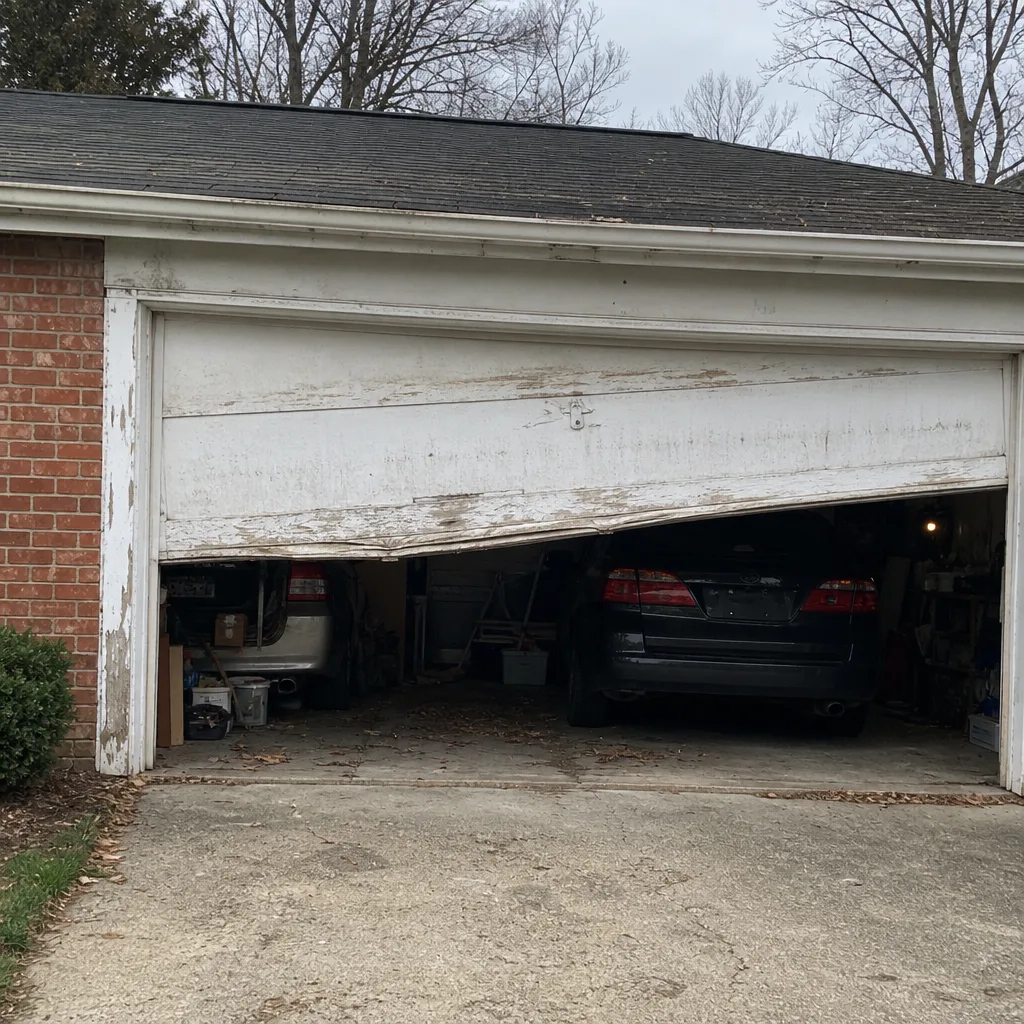 Before
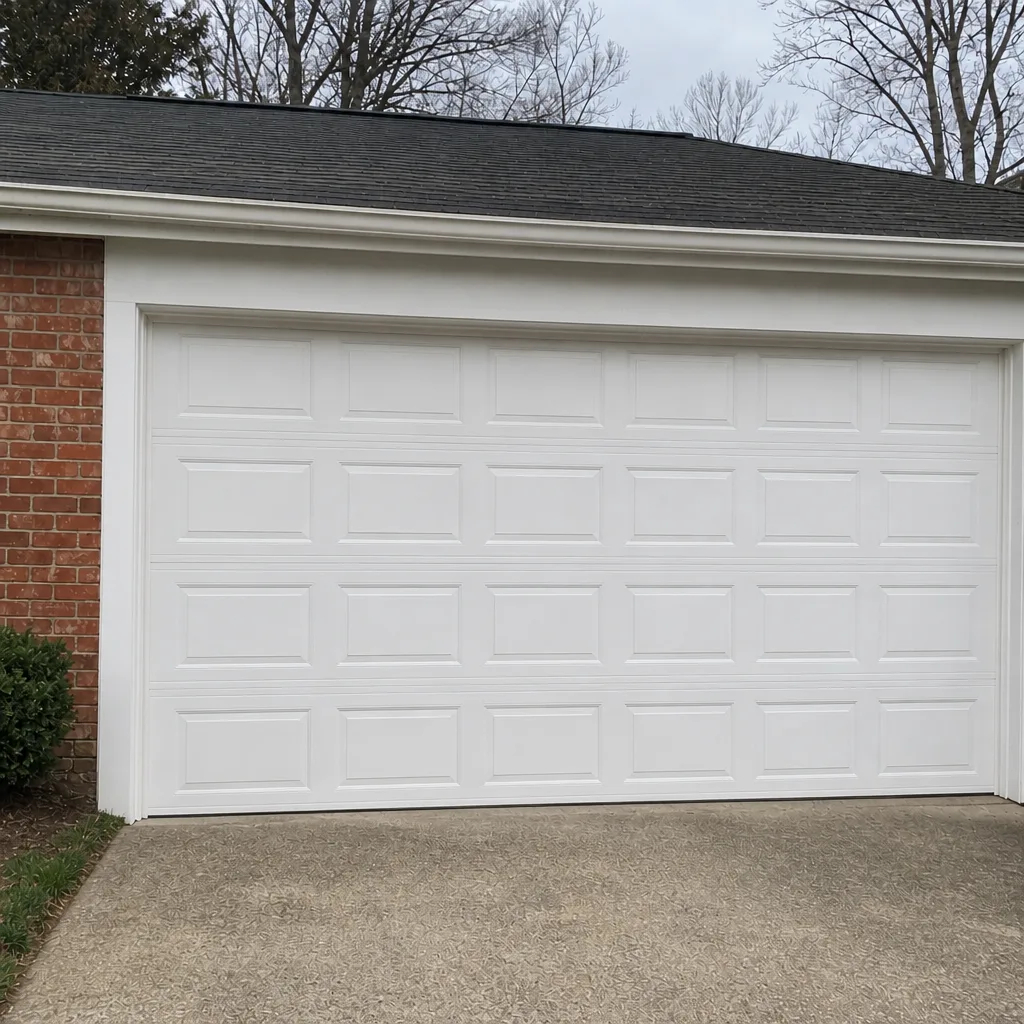 After
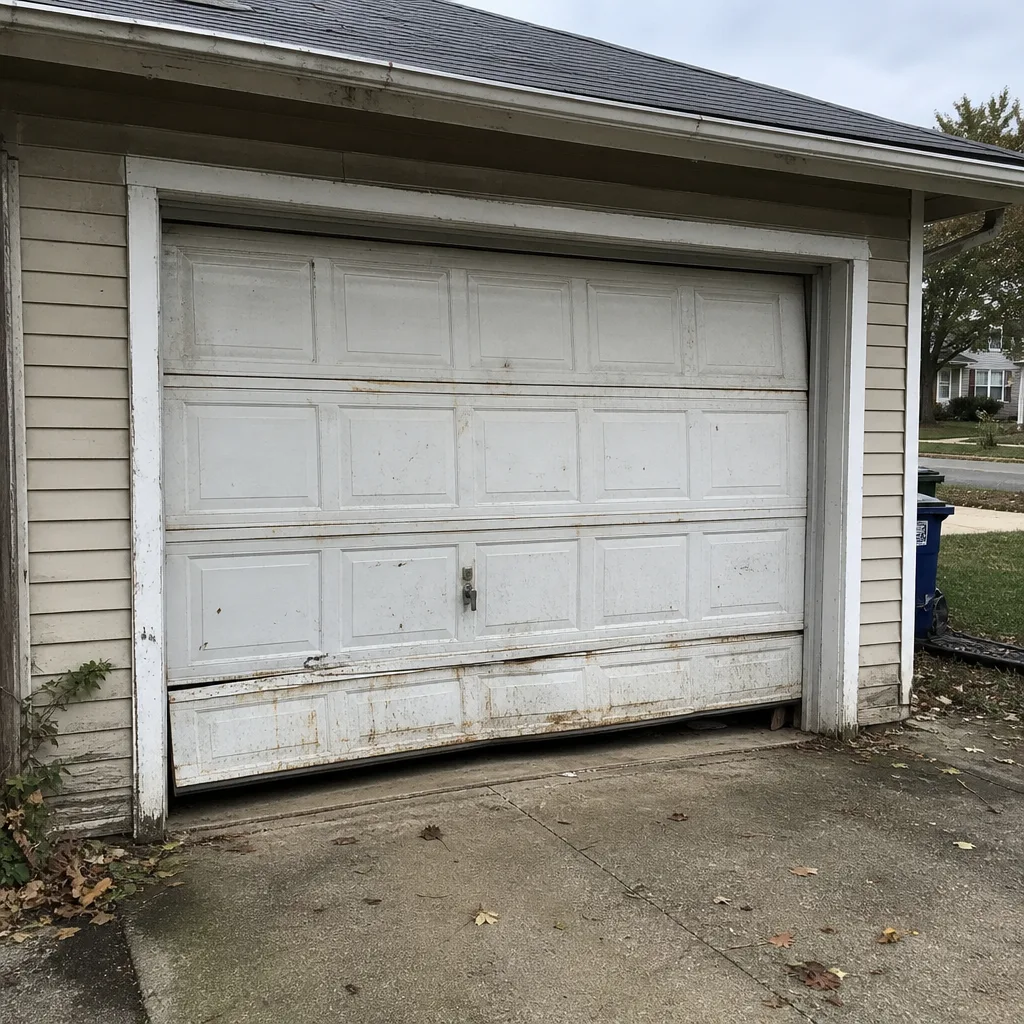 Before
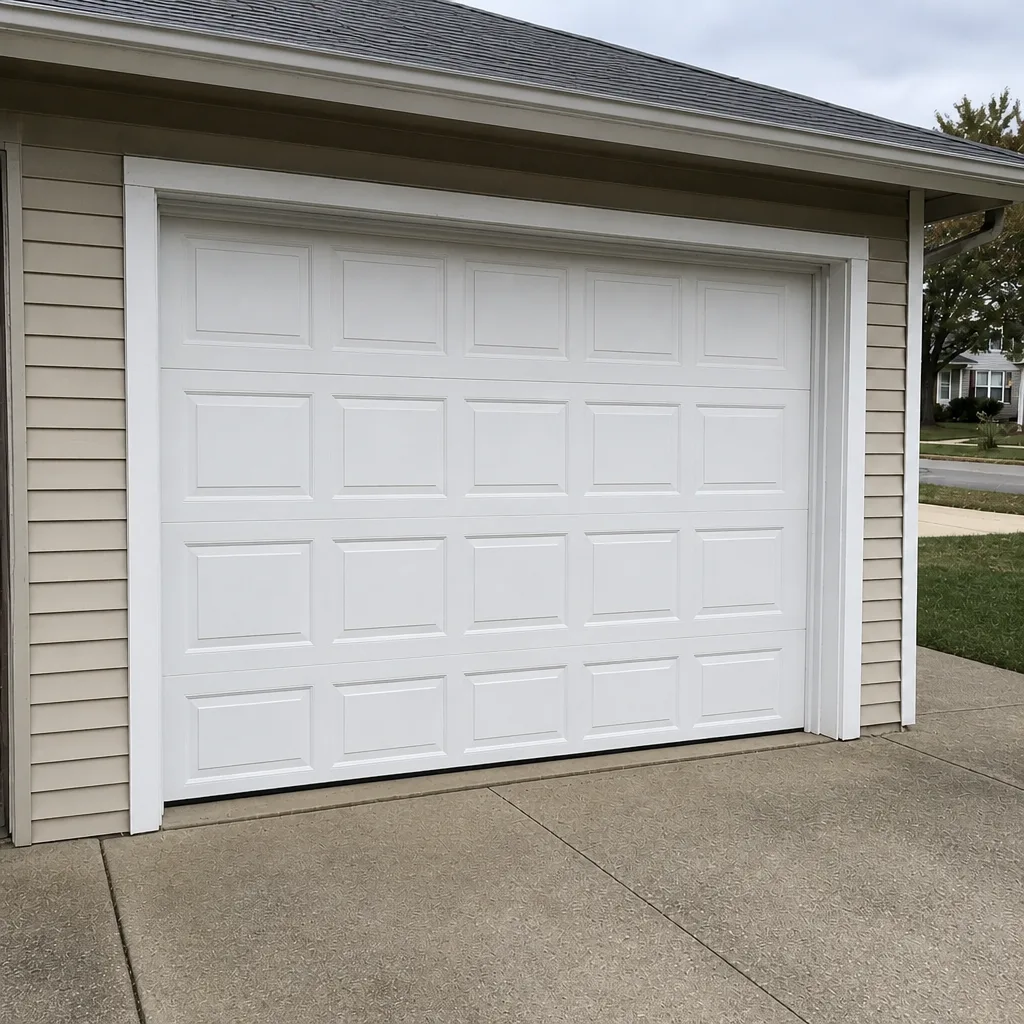 After
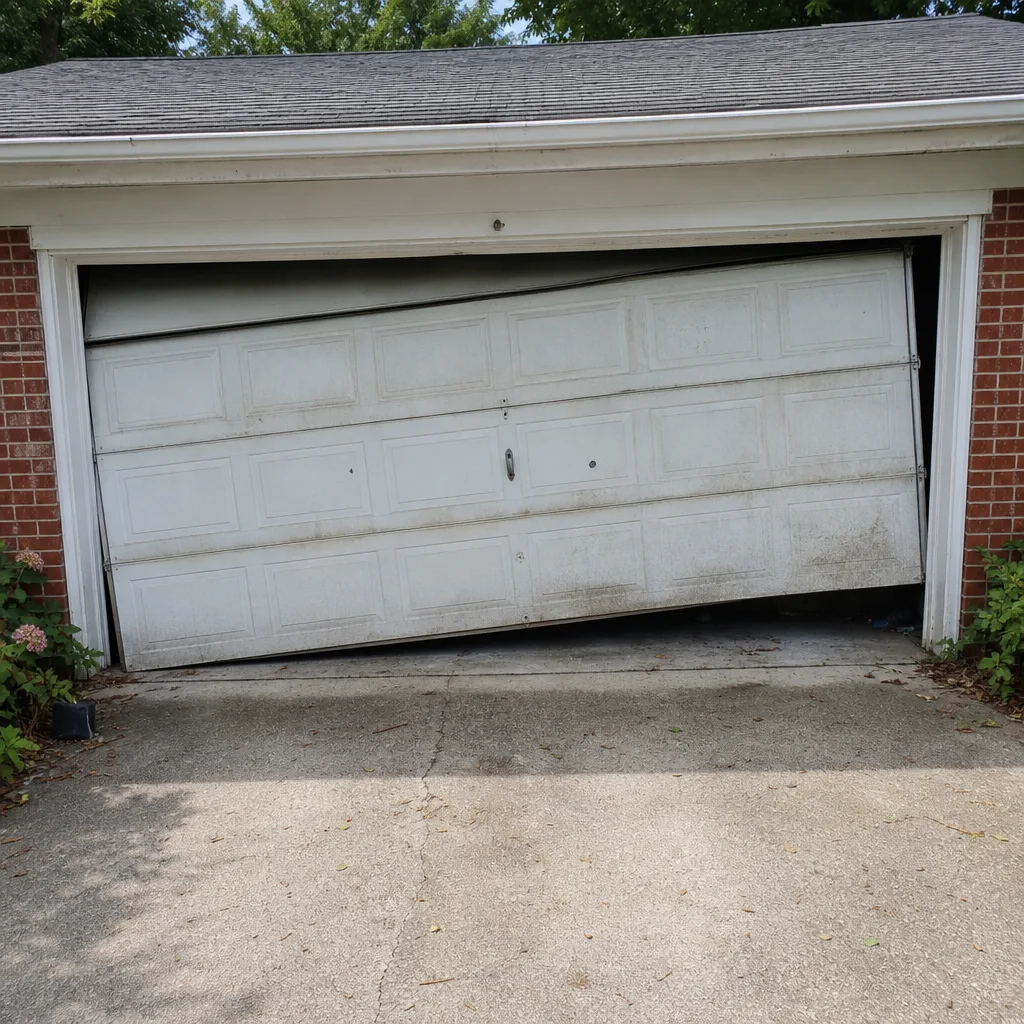 Before
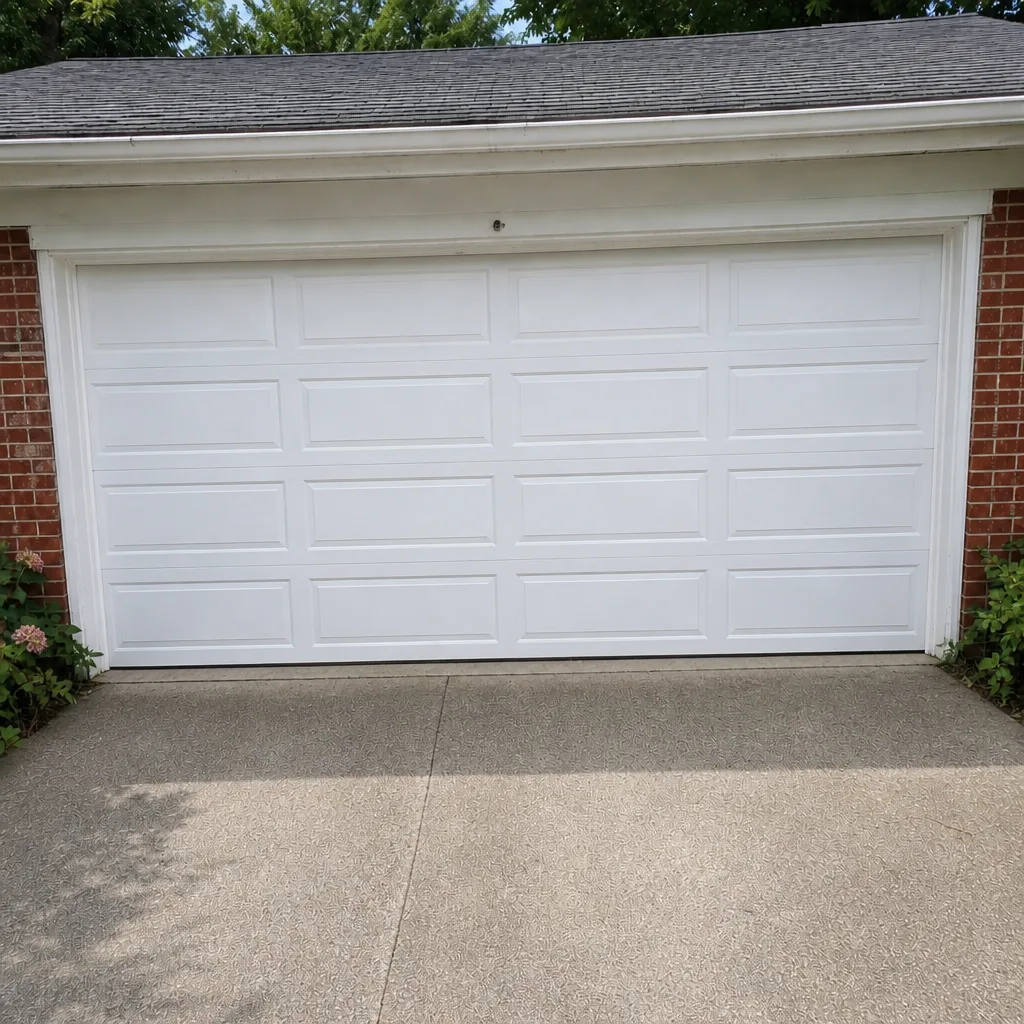 After
When to Call a Professional
You should call a professional whenever a garage door problem reaches the same-day tier above, and any time a spring or cable is involved. You should also call when the door’s movement has changed, when an opener starts making new noises, or when you’re not sure what the symptom means. A trained eye can sort it out quickly, and a small repair now is almost always cheaper than a big one later. Rockville Garage Door Repair Co offers free estimates in Rockville – call (855) 337-1750. We handle repairs, opener service, spring work, new installations, and emergency calls, and our technicians work on eight major brands including Raynor, LiftMaster, Chamberlain, and Genie. Garage doors are all we do, so if your door is acting up, we’re the specialists to call.
Frequently Asked Questions
Speed changes. A door that hesitates, jerks, or closes unevenly is often showing the earliest sign of a spring or cable issue, but it’s easy to write off as normal aging. If the door doesn’t feel right this month compared to last, that’s worth a call to (855) 337-1750.
Typical spring repair in Rockville runs in a range that depends on the spring type and whether one or both springs are replaced. A single spring costs less, and a matched pair is usually replaced together. Call (855) 337-1750 for an exact quote – estimates are free, and the written price we give you is the price before any work starts.
Often yes, especially when a broken door means a car is trapped or your home is unsecured. Emergency garage door service is a core part of what we do. Call (855) 337-1750 and we’ll tell you the soonest available slot.
Popping usually points to a spring near the end of its life, a cable slipping off its drum, or a worn hinge. A single pop is often harmless, but repeated popping needs same-day attention because a failing spring can snap. Call (855) 337-1750 to get it checked.
No. The written estimate we give you is set before any work starts, so the number you agree to is the number you pay. If we find something else during the visit that changes the job, we’ll explain it and re-quote before proceeding. Call (855) 337-1750 for a free estimate.
The local pros we connect you with are licensed and insured as their state requires, and our technicians have up to 11 years of experience. We service eight major garage door brands, including Genie, Chamberlain, LiftMaster, and Raynor, so most homeowners can get their existing door fixed rather than replaced. Call (855) 337-1750 with any questions.
The Bottom Line
Garage doors are honest about their condition if you know what to listen for. Grinding is usually lubrication and worn rollers; scraping is usually a panel or track issue; popping is usually a spring or cable. Speed changes and slow creep point to spring tension, not the opener. Sort your symptoms into the same-day, schedule-this-week, and routine-check tiers, and act on the higher tier when in doubt. Skip the DIY on springs and cables. For everything else, a yearly tune-up and a monthly listen keep a garage door running smoothly in Rockville for a long time. When something does go wrong, Rockville Garage Door Repair Co is here to help, and our team can handle garage door opener repair as well if the opener is the source. Call (855) 337-1750 for a free estimate.
Written by the team at Rockville Garage Door Repair Co.