Last updated November 23, 2026
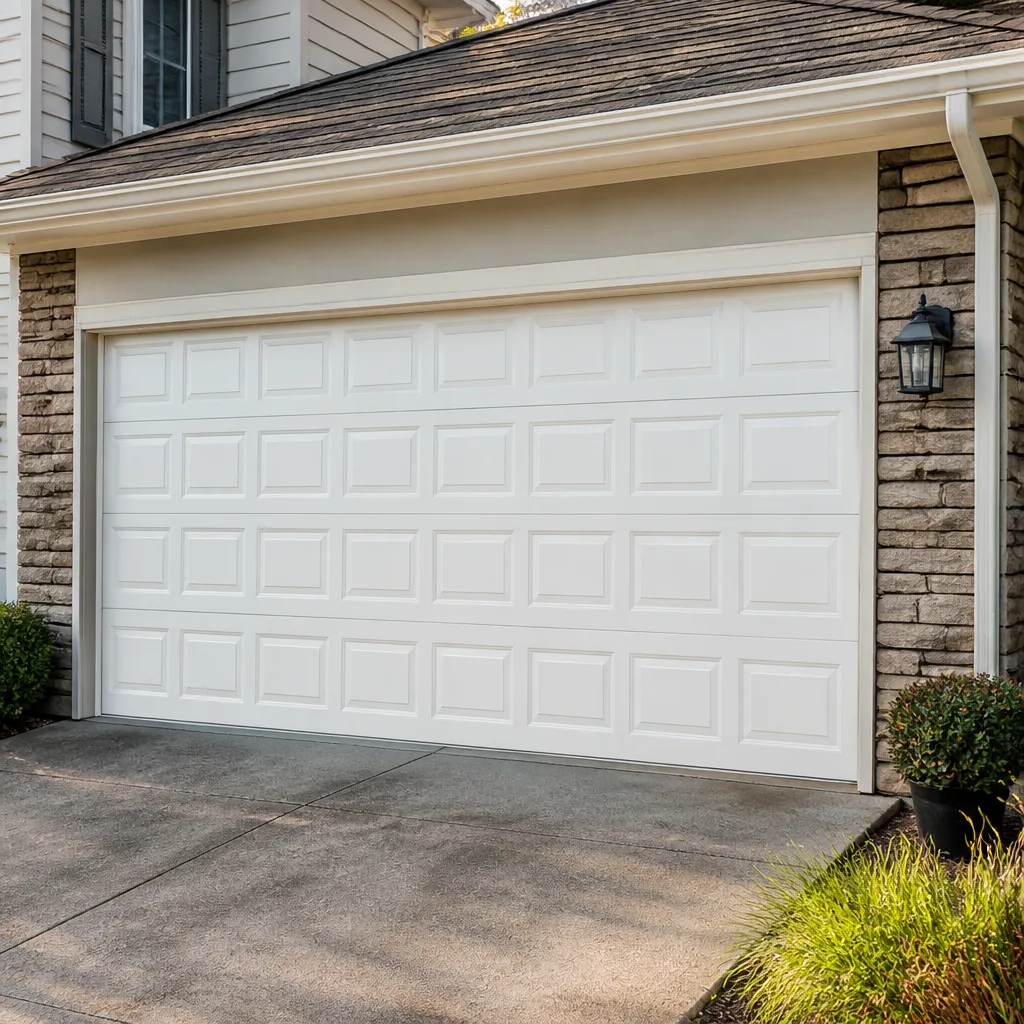 Raised-panel steel
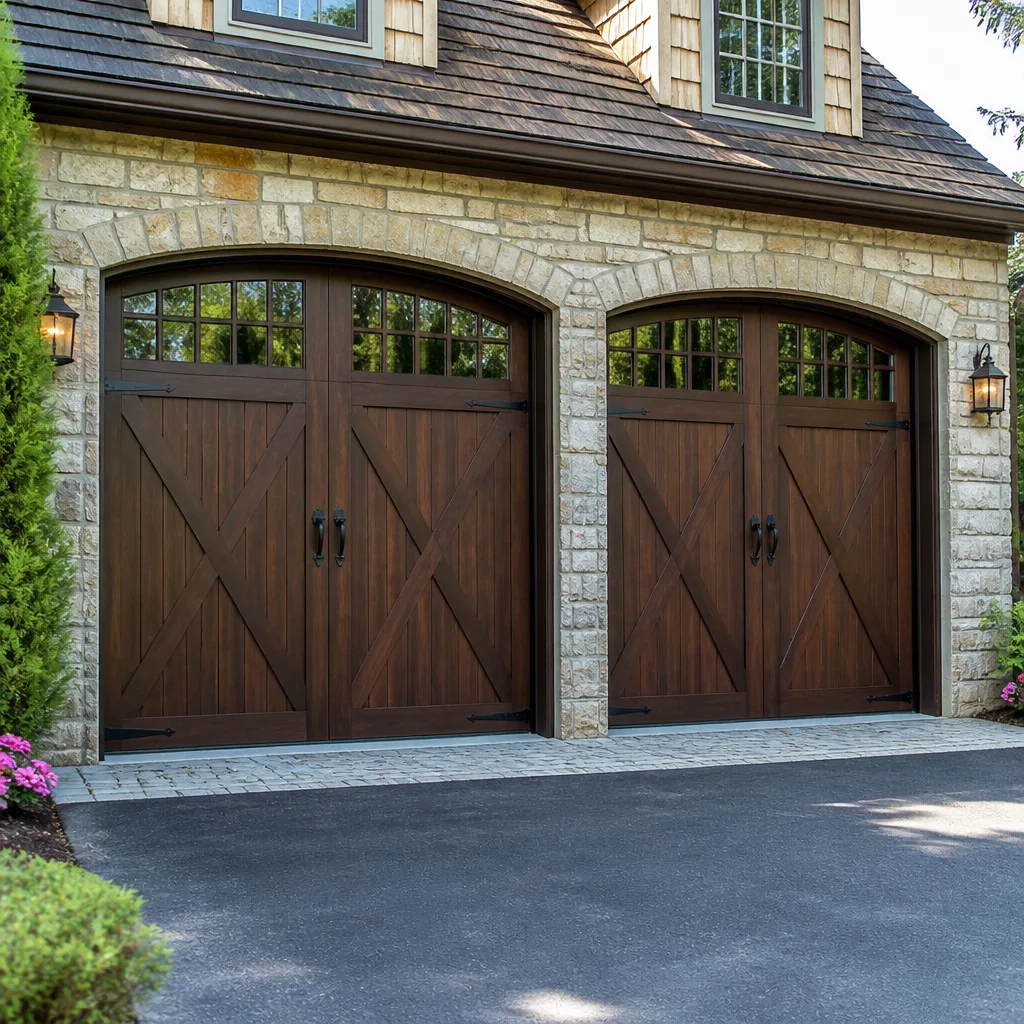 Carriage house
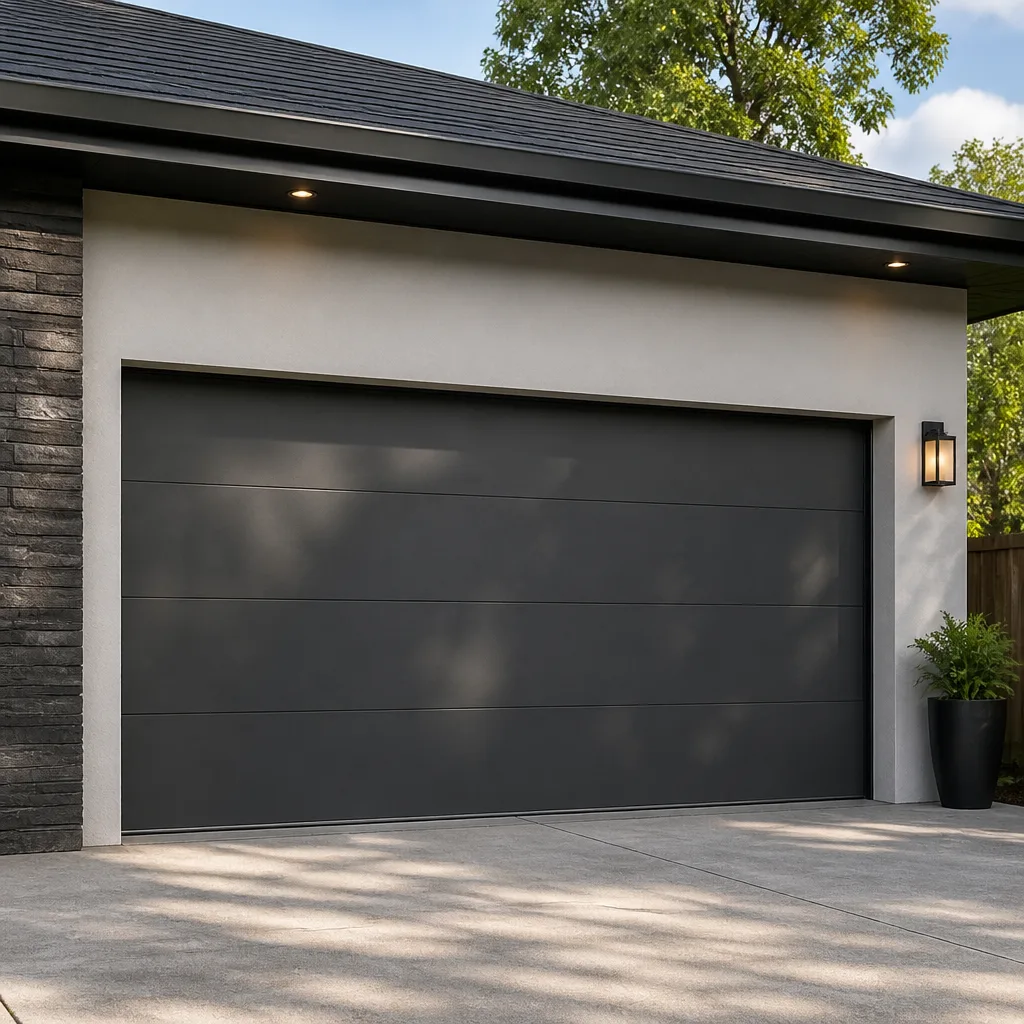 Modern flush
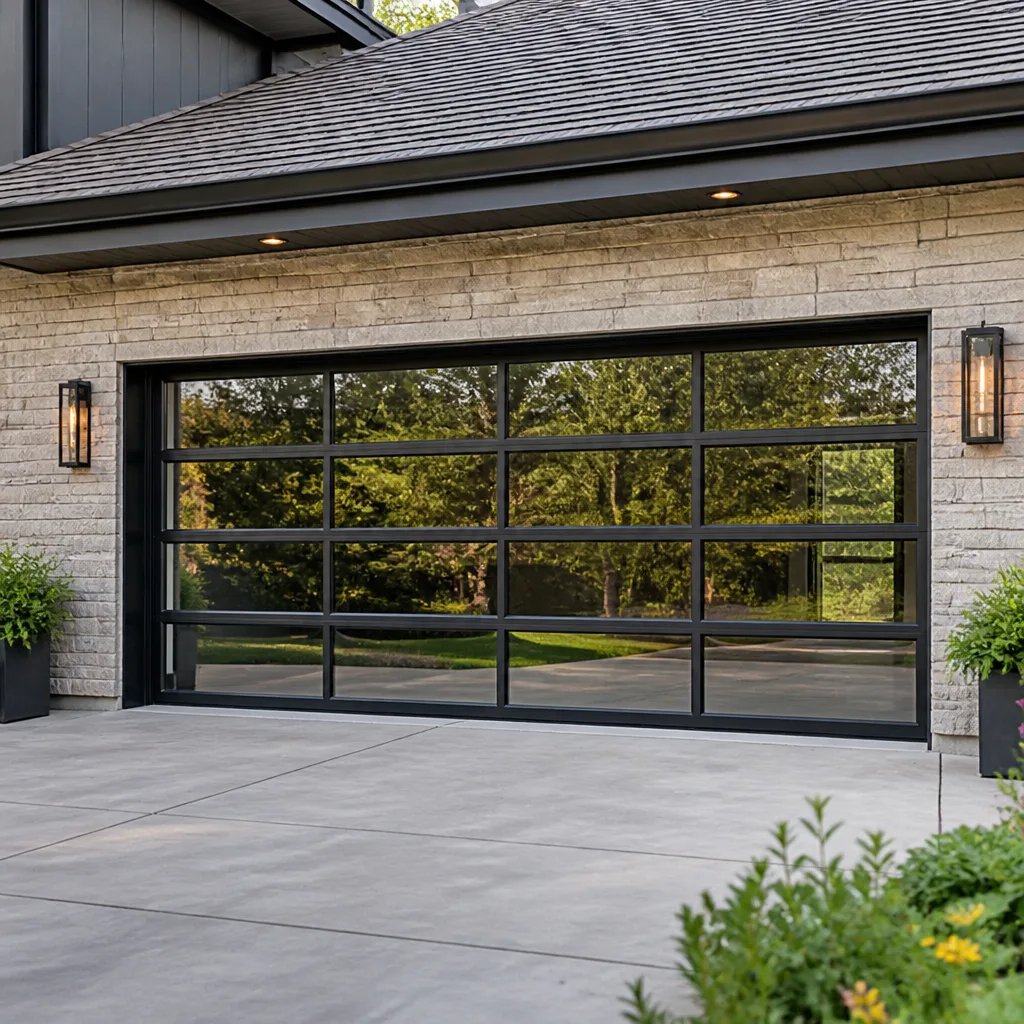 Full-view glass
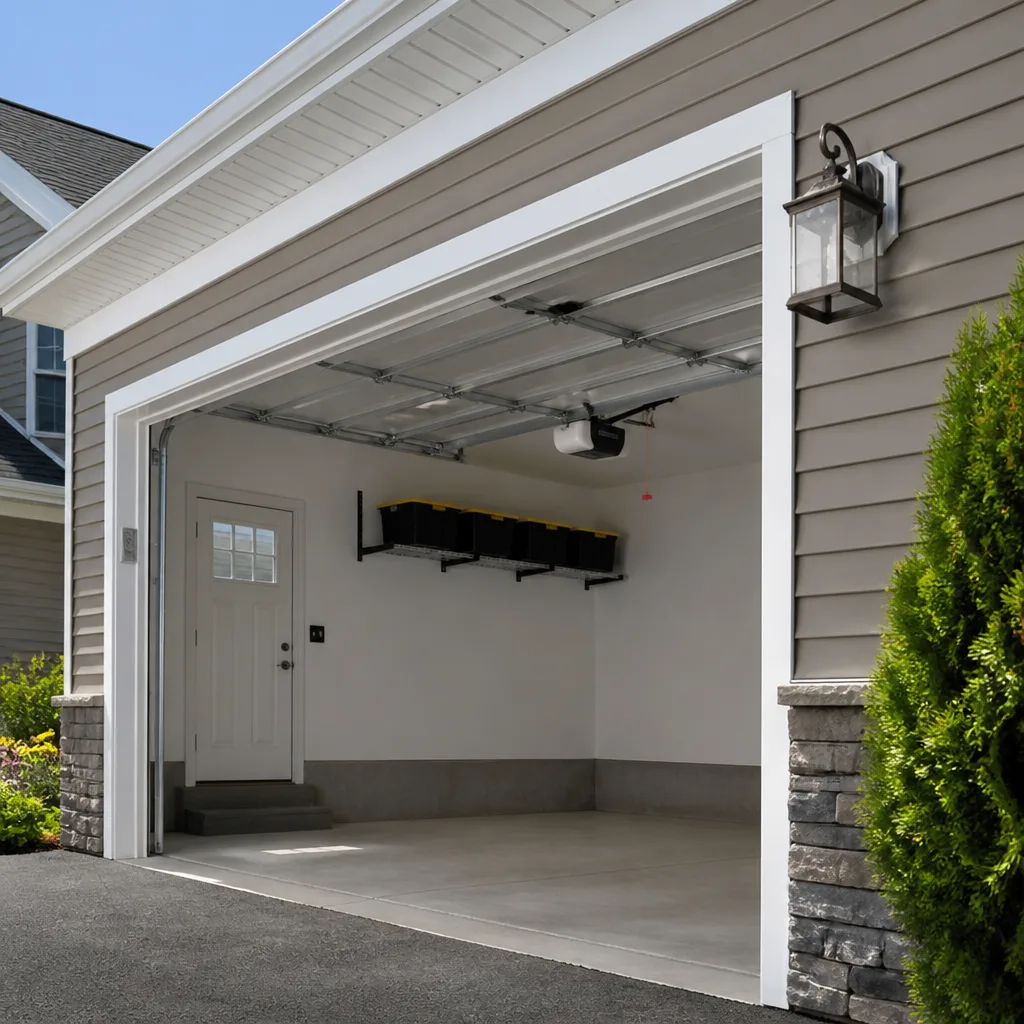 LiftMaster openers
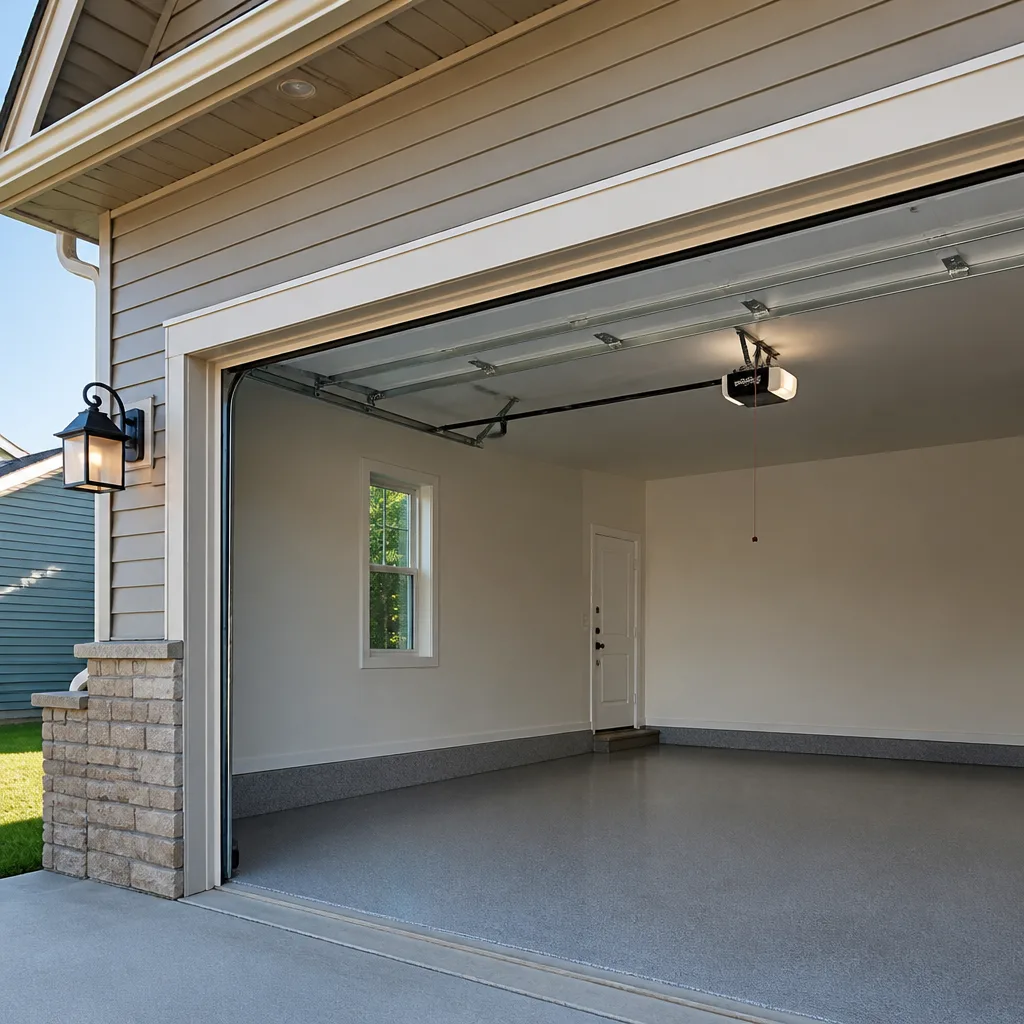 Chamberlain openers
Full 25-point door and opener safety check with every visit - springs, cables, rollers, tracks, and your LiftMaster or Chamberlain opener included
You get a price before we start. It does not change when the pro arrives.
Get your free estimateDIY vs Professional Garage Door: The Rockville Homeowner’s Decision Guide
Most homeowners frame this decision as a question of skill. “Am I handy enough to fix this myself?” That’s the wrong question, and it’s why people get hurt or make a small repair expensive. The real dividing line isn’t experience or caution. It’s stored mechanical energy. A torsion spring under load holds enough force to cause serious injury in a fraction of a second, no matter how careful you are or how many tutorials you’ve watched. This guide draws the line precisely: which garage door jobs a capable Rockville homeowner can handle safely, which ones to hand off without guilt, and how to describe a problem so a specialist quotes it right the first time.
Styles & brands we work with
- Raised-panel steel
- Carriage house
- Modern flush
- Full-view glass
- LiftMaster openers
- Chamberlain openers
Quick Answer
Safe DIY garage door tasks in Rockville are limited to low-energy work: lubricating moving parts, aligning safety sensors, replacing a weather seal, and reprogramming a remote or keypad. Anything involving springs, cables, or track realignment under tension belongs to a trained specialist, because those parts store energy that can injure you regardless of skill. Opener troubleshooting sits in the middle, where a logical sequence resolves most failures without a service visit.
Table of Contents
- Why Stored Energy, Not Skill, Defines the Line
- The Safe DIY List: What You Can Genuinely Handle
- The Professional-Only List: Springs, Cables, and Loaded Track
- Opener Troubleshooting: The Highest-Value DIY Territory
- The Hidden Cost of a DIY Attempt on the Wrong Task
- What a YouTube Tutorial Can’t Prepare You For
- How to Describe Your Problem So You Get a Correct Quote
- Rockville Homes, Local Conditions, and Door Wear
- Common Mistakes to Avoid
- When to Call a Professional
- Frequently Asked Questions
- The Bottom Line
Why Stored Energy, Not Skill, Defines the Line
Every decision about garage door DIY comes down to one physical fact: a door system is an energy storage device. The springs exist to counterbalance the weight of the door so a person can lift it. When a door is closed, those springs are wound tight and holding. When it’s open, they’re still under load in the other direction. That stored energy is what makes the door feel light, and it’s exactly what makes certain repairs dangerous.
A torsion spring under tension stores energy comparable to a loaded firearm. We’re not being dramatic to sell a service call. We’re telling you what trained technicians know from the job itself: when a spring fails or a cable releases under load, the release is violent and immediate, and the hardware becomes a projectile. Experience and caution don’t change the physics. They only change how reliably a person avoids standing in the wrong place at the wrong moment.
Able-bodied homeowners can do real work on a garage door. Lubrication, sensor alignment, weather seals, and remote programming are all low-risk and genuinely worth doing yourself. But the moment a repair touches a spring, a cable, or a track that’s holding a door up, the risk-reward calculation stops favoring DIY. That’s the line this Rockville guide draws, and it doesn’t move based on how handy you are.
We’ve built our whole business around that reality. Garage doors are all we do, which means our technicians spend their days on the parts most homeowners should never touch. If you read this guide and only remember one thing, remember this: the door is heavier and more loaded than it looks, and the dangerous parts don’t announce themselves.
The Safe DIY List: What You Can Genuinely Handle
There are real garage door jobs a homeowner can complete safely with basic tools and no special training. These tasks involve little or no stored energy, don’t require disconnecting the door from its springs, and can’t send hardware flying if you make a mistake. Doing them yourself is a reasonable call, and we’ll be the first to say so.
- Lubrication. A dry door groans, runs slow, and wears its rollers faster. Wipe the hinges and rollers with a garage door lubricant, not grease, a couple of times a year. Skip the tracks themselves; those stay clean and dry.
- Safety sensor alignment. If the door reverses for no reason or won’t close, the two sensors near the floor are usually misaligned or blocked. Straighten them so each indicator light is solid, and clear any cobwebs or debris between them.
- Weather seal replacement. The rubber or vinyl strip along the bottom of the door takes a beating and eventually cracks. It slides out of its channel and a new one slides in. This keeps rain, wind, and cold out of the garage.
- Remote and keypad reprogramming. A remote that stops working is often a battery, a lost code, or a receiver that needs a fresh pairing. The opener manual or the brand’s instructions walk you through it in a few minutes.
- Visual inspection. Look at the springs for gaps or a stretched look, check the cables for fraying, and watch the door travel for wobble. Inspection is free, and knowing what’s worn helps you decide what comes next.
These are the tasks worth your weekend. None of them require you to defeat a spring or move a cable, and each one genuinely extends the life of the door. If you own a Clopay or Amarr door with a standard bottom seal, for example, replacing that seal is a fifteen-minute job once you have the right part. The key is staying on the low-energy side of the line.
The Professional-Only List: Springs, Cables, and Loaded Track
Some garage door repairs should never be DIY, and the reason is always the same: the part is holding stored energy that can release suddenly. This isn’t a matter of skill. A careful, capable homeowner with good tools is still exposed to the same danger as anyone else the instant a spring or cable lets go. These are the jobs to hand off without hesitation.
- Torsion spring replacement. The spring above the door is wound to counterbalance hundreds of pounds. Winding or unwinding it requires the right rods, knowledge of the correct number of turns, and an understanding of what happens if a rod slips. A failure here can be catastrophic.
- Extension spring replacement. The springs that run along the horizontal tracks carry the same stored energy in a different configuration. When they break, the loose end can strike with force.
- Cable replacement. Cables are what keep the door attached to its counterbalance system, and they’re under constant tension. A snapped cable whips and can cut. Never handle a loose or frayed cable yourself.
- Track realignment under load. A bent track may look like a simple bend to hammer back. But realigning a track on a door that’s still connected to its springs means working around loaded hardware. This belongs to a professional.
- Roller replacement on a loaded door. Swapping a roller sounds easy until the door is under spring tension. A pro supports the door safely before pulling hardware.
- Bottom bracket and drum work. The brackets at the bottom corners are where cables attach, and they hold the door’s tension. Touching them on a wound door is one of the most dangerous things a homeowner can do.
When a door in Rockville loses a spring, the result is usually a door that won’t open at all or opens a few inches and slams back down. A trained technician can handle that spring repair safely because they know how to control the energy rather than fight it. That’s the whole point of calling a specialist: not that you’re incapable, but that the risk-reward math only works for someone equipped and trained for it.
Opener Troubleshooting: The Highest-Value DIY Territory
Here’s where homeowners get the most return on their own effort. The classic “my opener stopped working” call usually turns out to be something simple, and a short troubleshooting sequence resolves most of them. Opener problems are electrical and logical, not stored-energy problems, so the stakes are low and the fixes are often free.
Work through this sequence in order before you pick up the phone:
- Check the power. Is the opener plugged in? Is the outlet live? Has a breaker tripped? A surprising number of dead openers are simply unplugged or on a tripped circuit.
- Test the wall switch. If the wall button works but the remote doesn’t, the problem is the remote or its programming, not the opener. If neither works, move on.
- Look for a lock feature. Many openers and wall consoles have a lock or vacation mode that disables remotes. A single press unlocks it. This is one of the most common “my remote stopped working” causes.
- Check the safety sensors. If the door starts down and reverses immediately, the sensors near the floor are misaligned, blocked, or dirty. This is the single most frequent opener complaint we hear in Rockville.
- Try the manual release. Pull the red cord to disconnect the door from the opener. If the door rolls freely by hand, the opener is the problem. If it doesn’t, the door itself may be the issue.
- Check the battery in the remote and keypad, and reprogram if needed. If a LiftMaster or Chamberlain remote suddenly stops, a dead battery or lost code explains it most of the time.
If you’ve worked through all six and the opener still misbehaves, the issue is internal and worth a look from a technician. We handle garage door opener repair on Genie, LiftMaster, Chamberlain, and Craftsman units, and we work on the actual opener rather than swapping in a generic replacement. Most of the time the fix is a sensor, a logic board, or a stripped gear, not a whole new unit.
The Hidden Cost of a DIY Attempt on the Wrong Task
When people weigh DIY against a professional, they usually compare the cost of a service call to the cost of a part. That comparison misses the thing that actually drives up the bill: secondary damage. An attempt on a loaded spring or cable doesn’t just risk your safety. It often turns a routine repair into a much larger one, because the failed effort distorts the track, stretches a cable, bends a panel, or leaves the door hanging off balance.
- Bent tracks. Working around a loaded door without proper support can push the track out of alignment, turning a spring job into a track and spring job.
- Stretched or damaged cables. A cable that’s mishandled during a DIY attempt may need replacing in addition to whatever you were trying to fix.
- Damaged panels. A door that comes down hard or unevenly can dent or crease a panel, which is costly on a Clopay or Wayne Dalton door where panel profiles are specific.
- Opener strain. A door that’s been forced open and closed on weak or failing springs wears the opener motor and gears faster, so the opener ends up on the repair list too.
The cheapest garage door repair is the one done once, correctly, on the right part. A quote for the original problem is almost always smaller than the quote after a failed attempt. That’s why we make a point of the written estimate: the price is quoted and agreed before any work starts, so you know the number before anything is opened up. In our experience, a homeowner who calls early spends less than one who tries the wrong job first and calls a day later.
What a YouTube Tutorial Can’t Prepare You For
Tutorials are genuinely useful for the safe list. A good video makes bottom seal replacement or sensor alignment faster and easier, and we’d rather you watch one than guess. But a tutorial prepares you for one specific door in one specific condition, and your door is not that door. The gap between the video and your garage comes down to variables the video can’t see.
- Door weight. A single-car door and a double-car door carry very different loads. The spring that balances yours is sized to your door’s weight, and a tutorial filmed on a lighter door doesn’t match.
- Spring type. Torsion and extension springs are different systems with different failure modes and different tools. A video covering one tells you nothing safe about the other.
- Age of hardware. A fifteen-year-old door has fatigued springs, worn rollers, and possibly rusted fasteners. A tutorial filmed on a new door assumes hardware that behaves nothing like yours.
- Prior repairs. If a previous owner patched something or used the wrong part, your starting point is different from the video’s. A technician spots this in seconds; a homeowner may not notice until it matters.
- Local wear. Rockville doors deal with humid summers and freezing winters, and that cycle loosens fasteners and hardens seals in ways a video shot in a mild climate won’t address.
None of this is a knock on tutorials. It’s a reminder that a tutorial can show you the steps but can’t evaluate your door. That’s the part a technician does on arrival. If you’ve watched a video and something doesn’t match, stop and call, especially if the job involves a spring or a cable. For a full garage door repair, the technician’s first job is assessing the specific door in front of them, not following a generic script.
How to Describe Your Problem So You Get a Correct Quote
The fastest way to a correct first quote is a good description. When you call a specialist, the details you give determine whether the technician arrives with the right parts and whether the estimate holds up. Vague descriptions like “my door is broken” usually lead to a second visit once we see what’s actually going on. A few specifics get you a tighter number and a faster fix.
Have these details ready before you call:
- What the door does. Does it not open at all, open a few inches and stop, reverse on the way down, or run but sound wrong? Describe the motion, not the diagnosis.
- When it started. A sudden failure during a cold snap points to a spring. A gradual decline over weeks points to the opener, rollers, or alignment.
- Whether you see damage. A visible gap in a spring, a hanging cable, a bent track, or a dented panel. Take a photo if you can.
- The door type and brand. A Wayne Dalton or Amarr door, for example, has specific hardware and panel profiles. Knowing the brand helps us quote accurately.
- The opener brand and age. LiftMaster, Chamberlain, Genie, and Craftsman each have their own parts and quirks. The opener’s age tells us whether to repair or replace.
- Whether the opener responds at all. If the wall switch and remote both do nothing, that’s a very different call than a door that reverses.
With those six details, a specialist can usually tell you whether you’re looking at a spring, an opener, or a track problem before anyone knocks on the door. That’s how a written estimate stays accurate. It’s also how you avoid paying for a diagnostic visit that just confirms what a good phone conversation could have settled. When your garage door stops, we move fast, and a clear description helps us move faster.
Rockville Homes, Local Conditions, and Door Wear
Garage doors in Rockville live a particular life. The area’s humid summers and freezing winters work the door’s moving parts hard, and that cycle shows up in predictable places. Seal material stiffens in cold weather and cracks faster than it would in a mild climate. Springs fatigue through the temperature swings. Fasteners on older doors loosen over the seasons, and lubricant dries out faster in the summer heat than many homeowners expect.
Neighborhoods across Rockville, from the older homes near Rockville Town Square to the family houses out toward King Farm and Twinbrook, tend to have a mix of door ages. Many homes have doors that were installed with the house and have run thousands of cycles since. A door that’s been opening and closing every day for years is due for a spring before it fails, not after. That’s why we treat spring repair as a named specialty rather than an afterthought: it’s one of the most frequent needs in this area, and one of the most dangerous to handle without training.
Local code matters too. Most cities, Rockville included, have rules about garage door safety features and permits for certain installations, but the specifics live with the city’s building department. If you’re planning a new door or a major change, ask them directly rather than relying on a general rule of thumb. For a full garage door installation, we walk through what the door needs and what the city requires before anything is ordered, so the job is measured, scheduled, and priced correctly.
One more local factor: the door is often the largest moving object on the property and the one that secures the house. When it stops working, a car is trapped or the home is left unsecured. That’s why emergency service is part of what we do, not an upsell. If a door fails in Rockville and you can’t wait, call and we’ll talk through the fastest path back to a working door.
Common Mistakes to Avoid
- Assuming skill makes spring work safe. It doesn’t. The danger is stored energy, not technique. A careful homeowner is still exposed to the same risk the moment a spring or cable releases.
- Forcing a door that won’t open. Pulling harder on a door with a broken spring or jammed track bends components and strains the opener. Stop and diagnose instead.
- Ignoring the safety sensors. Many “broken opener” calls in Rockville turn out to be misaligned or dirty sensors. Check them before assuming the opener is dead.
- Lubricating the tracks. Tracks should stay clean and dry. Grease attracts grit and makes the door run worse. Lubricate rollers and hinges, not the rails.
- Replacing a remote before checking the lock mode. A lock or vacation setting on the wall console disables remotes, and a new remote won’t fix it. Check the lock feature first.
- Skipping the annual visual inspection. A quick look at springs and cables catches wear before it becomes a failure. It’s free and takes two minutes.
- Calling with a vague description. “My door is broken” leads to a second visit. Describe the motion, the timing, and what you see, and the first quote will be closer to the final price.
When to Call a Professional
Call a professional the moment a repair involves a spring, a cable, a bottom bracket, or a track holding a loaded door. Those are the jobs where the risk-reward calculation doesn’t favor DIY, regardless of how capable you are. Call if you see a gap in a spring, a frayed or hanging cable, a door that comes down hard, or a door that won’t stay up. Call if the opener has failed after you’ve worked through the troubleshooting sequence and the issue is internal. And call if the door is stuck in a way that traps a car or leaves the house unsecured, because that’s an emergency and worth treating as one.
Rockville Garage Door Repair Co offers free estimates in Rockville. We work on LiftMaster, Chamberlain, Genie, Clopay, Amarr, Wayne Dalton, Craftsman, and Raynor products, and our technicians have up to 11 years of experience. The price is quoted and agreed before any work starts, and the written estimate sets the final price. Call (855) 337-1750 for a free estimate.
Frequently Asked Questions
No. A torsion or extension spring stores energy that can injure you severely if it releases, and that risk doesn’t drop with skill or caution. Spring replacement is the single clearest professional-only job on the door. Call (855) 337-1750 for a free estimate; we handle spring repair in-house.
Your safety sensors are almost certainly misaligned, dirty, or blocked. The two sensors near the floor need a clear line between them and solid indicator lights. Straighten them and wipe them clean, and the door usually closes normally. If it still reverses, call (855) 337-1750 for a free estimate.
For the safe list (lubrication, sensors, seals, remotes), DIY is cheaper and reasonable. For springs, cables, or loaded tracks, a professional is cheaper in the end, because a failed attempt often adds track, panel, or cable damage to the original repair. Call (855) 337-1750 for a free estimate on the work that belongs to a specialist.
Pull the manual release cord to disconnect the door from the opener, then move the door by hand. If it rolls freely, the opener is the problem; if it’s heavy or sticks, the door is. That one test splits the diagnosis before any repair. Call (855) 337-1750 for a free estimate if the opener turns out to be the issue.
Permit rules vary, so ask the City of Rockville building department directly before you buy or install a door. They’ll tell you what applies to your project. We can walk through the installation requirements when you call (855) 337-1750 for a free estimate.
Springs are rated in cycles, not years, and the number of times a door opens and closes is what wears them out. Rockville’s temperature swings add stress, so a door that runs daily can wear out a spring sooner than a door that’s used less. Watch for a gap, a stretched look, or a door that won’t stay up. Call (855) 337-1750 for a free estimate when you see those signs.
The Bottom Line
The DIY versus professional question isn’t about whether you’re handy. It’s about stored energy. Lubrication, sensor alignment, weather seals, and remote programming are low-risk jobs you can genuinely handle, and the opener troubleshooting sequence resolves most “my opener stopped working” calls on its own. Springs, cables, bottom brackets, and loaded tracks belong to a specialist, because those parts can release with force no amount of caution prevents. A failed DIY attempt on the wrong job usually costs more than the original repair. Stay on the safe side of the line, describe your problem well when you call, and get the job done once. When you need a specialist, Rockville Garage Door Repair Co is here.
If you’ve read this far and you’re still not sure which side of the line your job falls on, that’s the right moment to call. We’ll tell you honestly whether it’s something you can handle yourself or something we should take care of. Call (855) 337-1750 for a free estimate. Your door, your brand, we service it. Garage doors are all we do.
Written by the team at Rockville Garage Door Repair Co.
See the difference
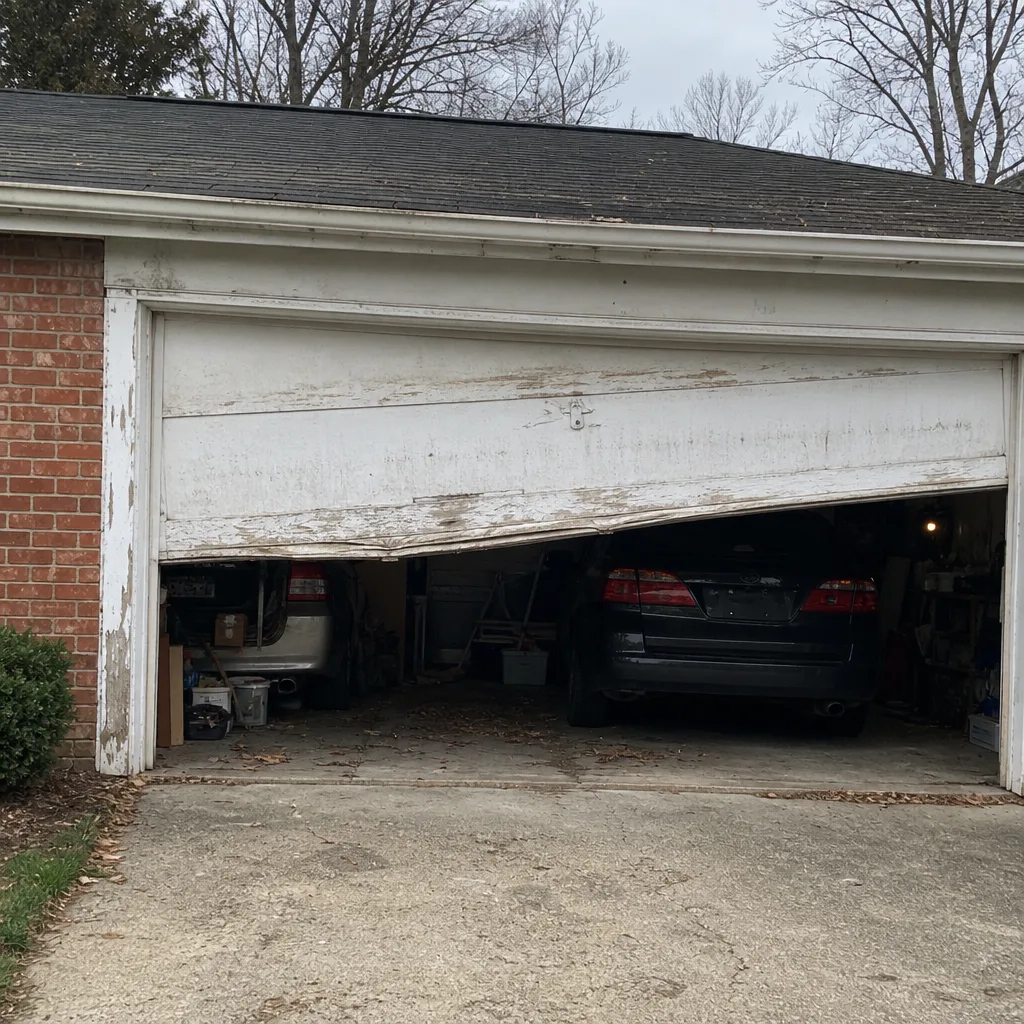 Before
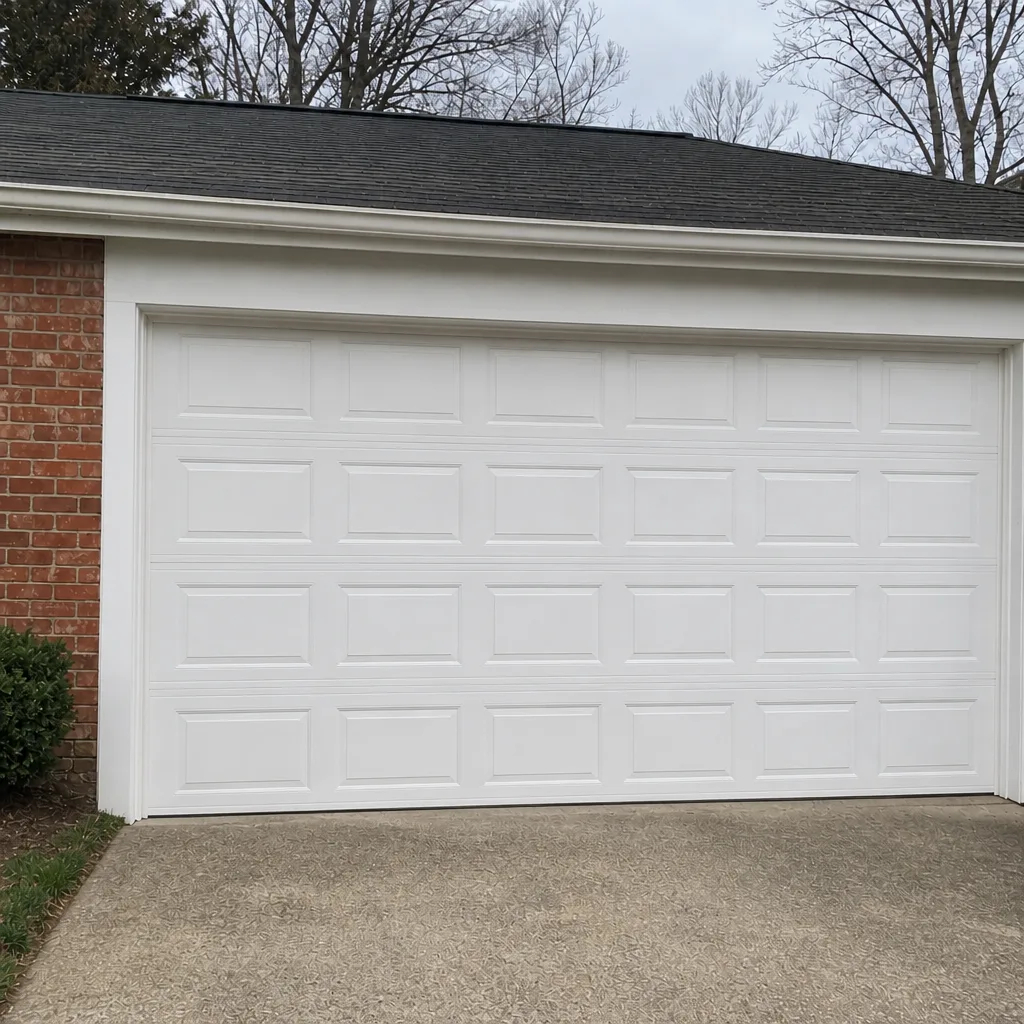 After
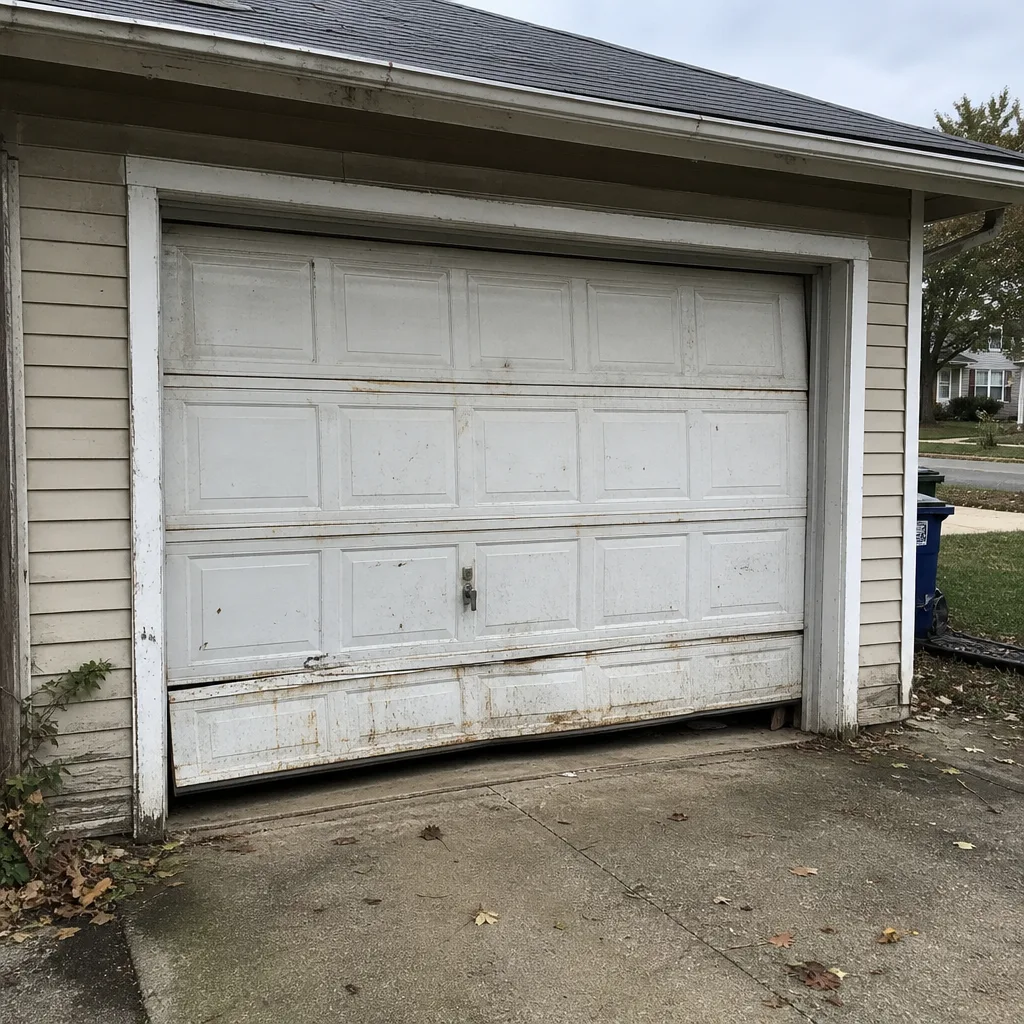 Before
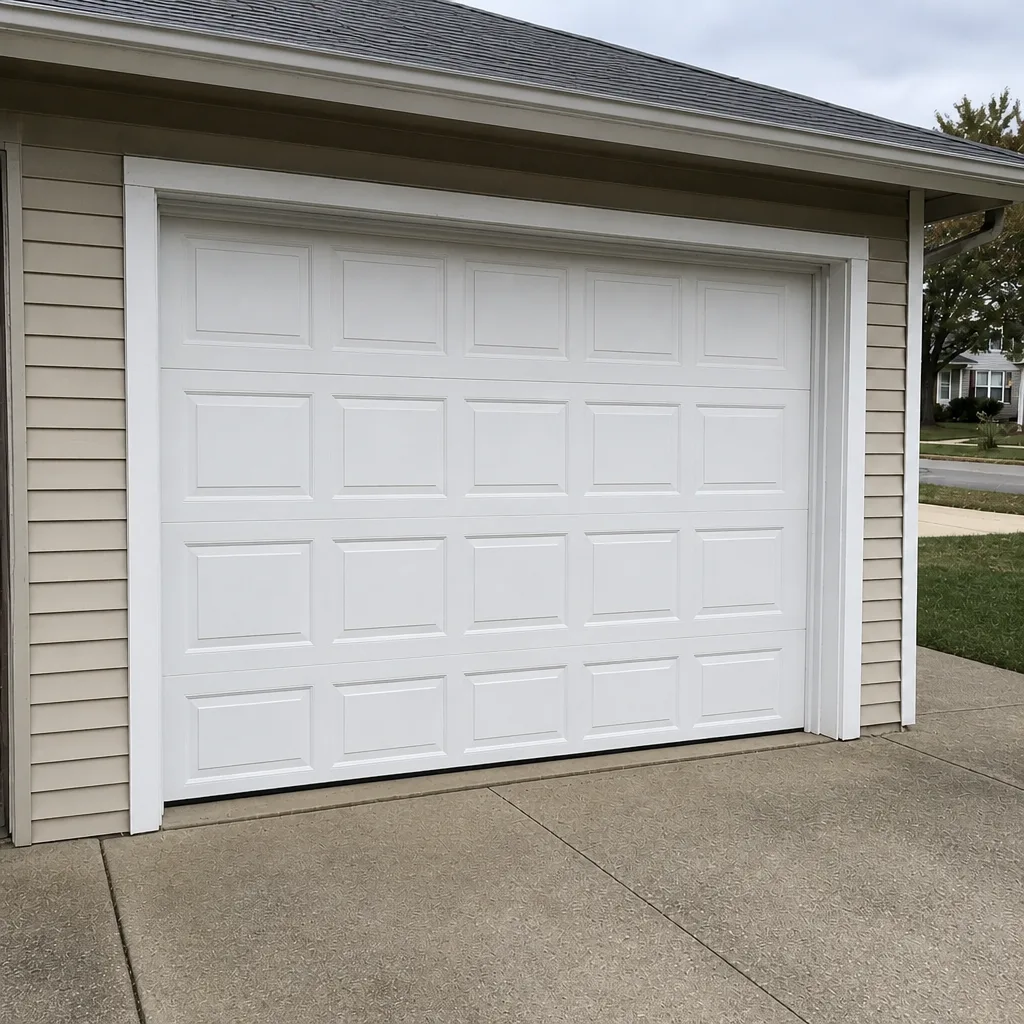 After
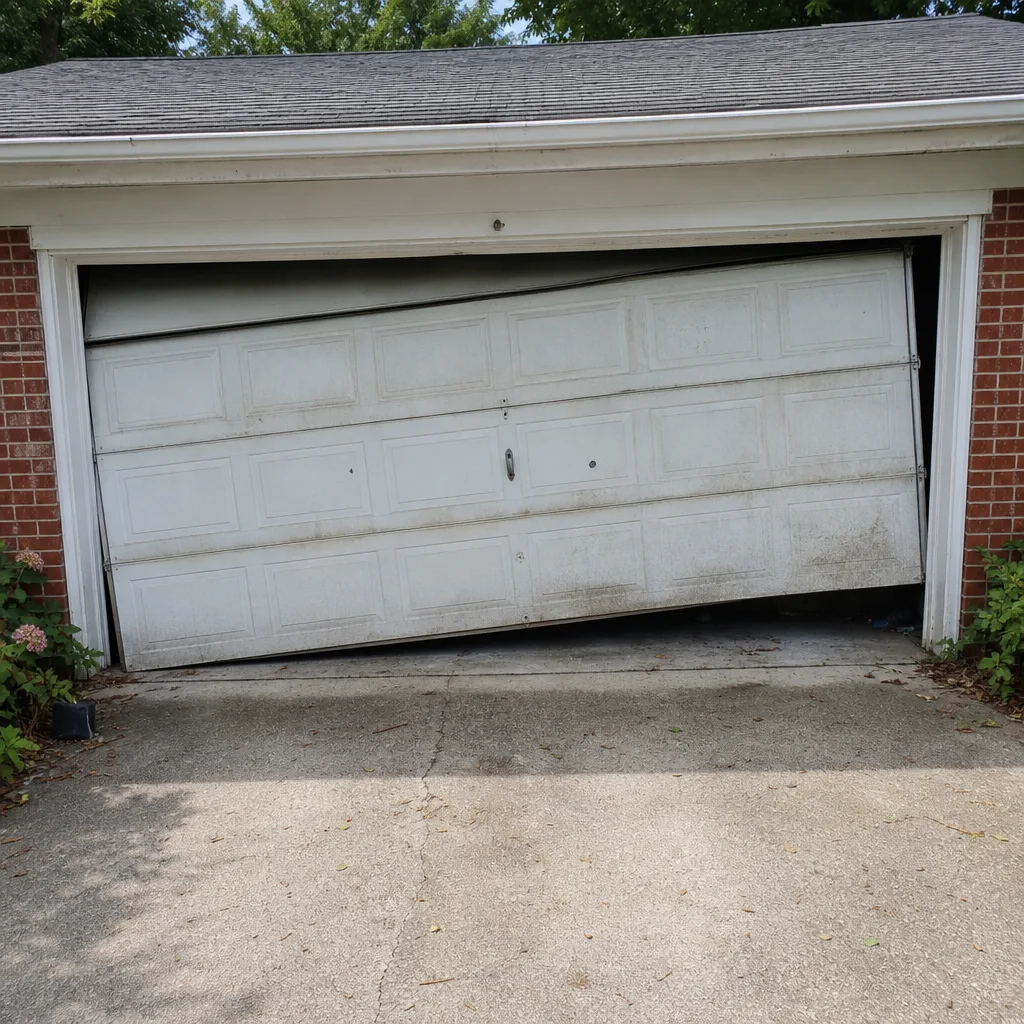 Before
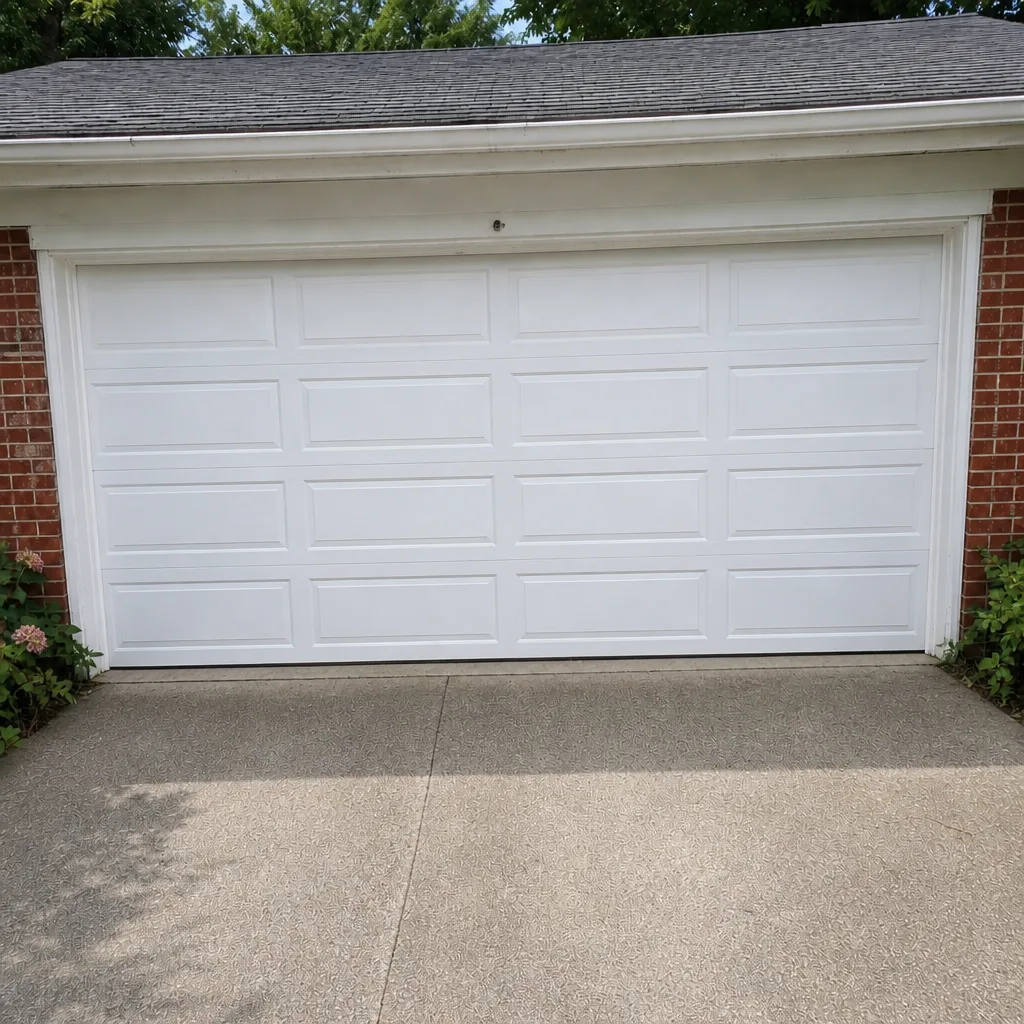 After