Last updated November 23, 2026
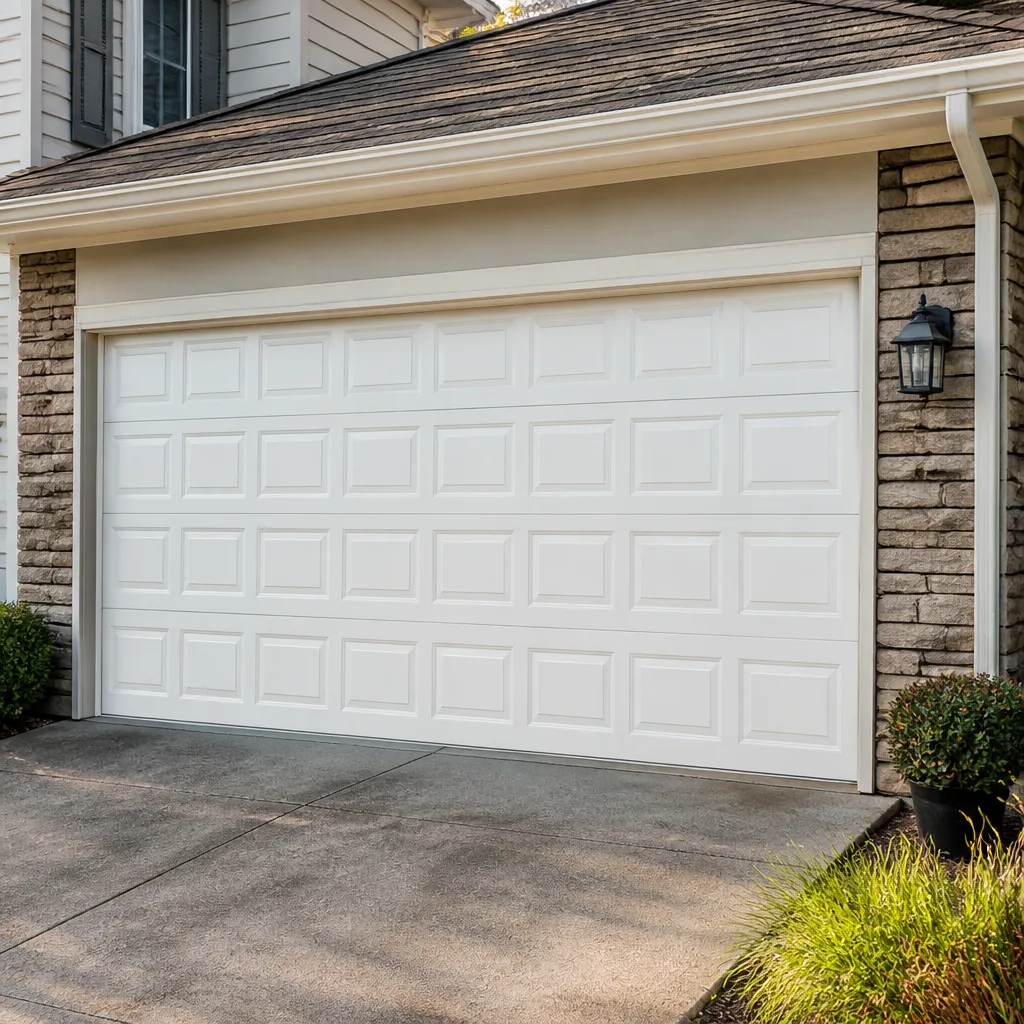 Raised-panel steel
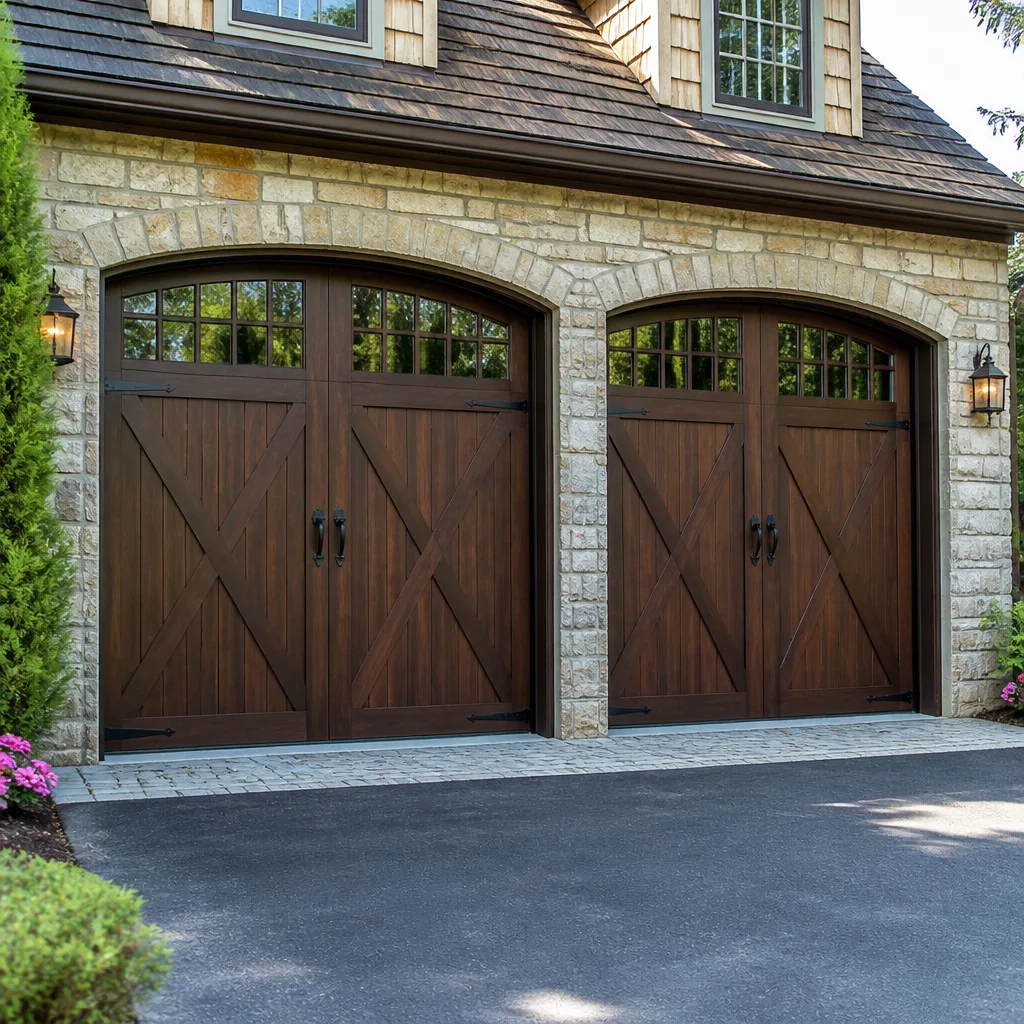 Carriage house
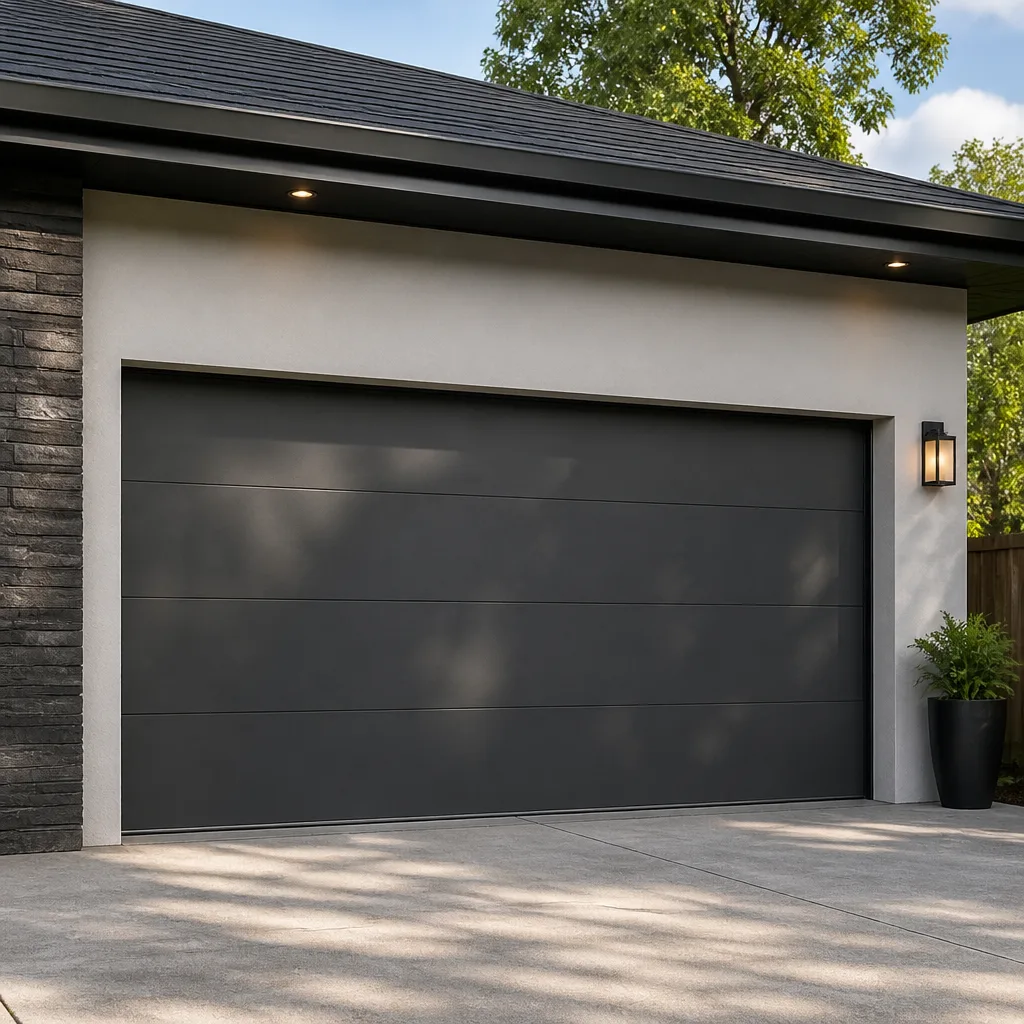 Modern flush
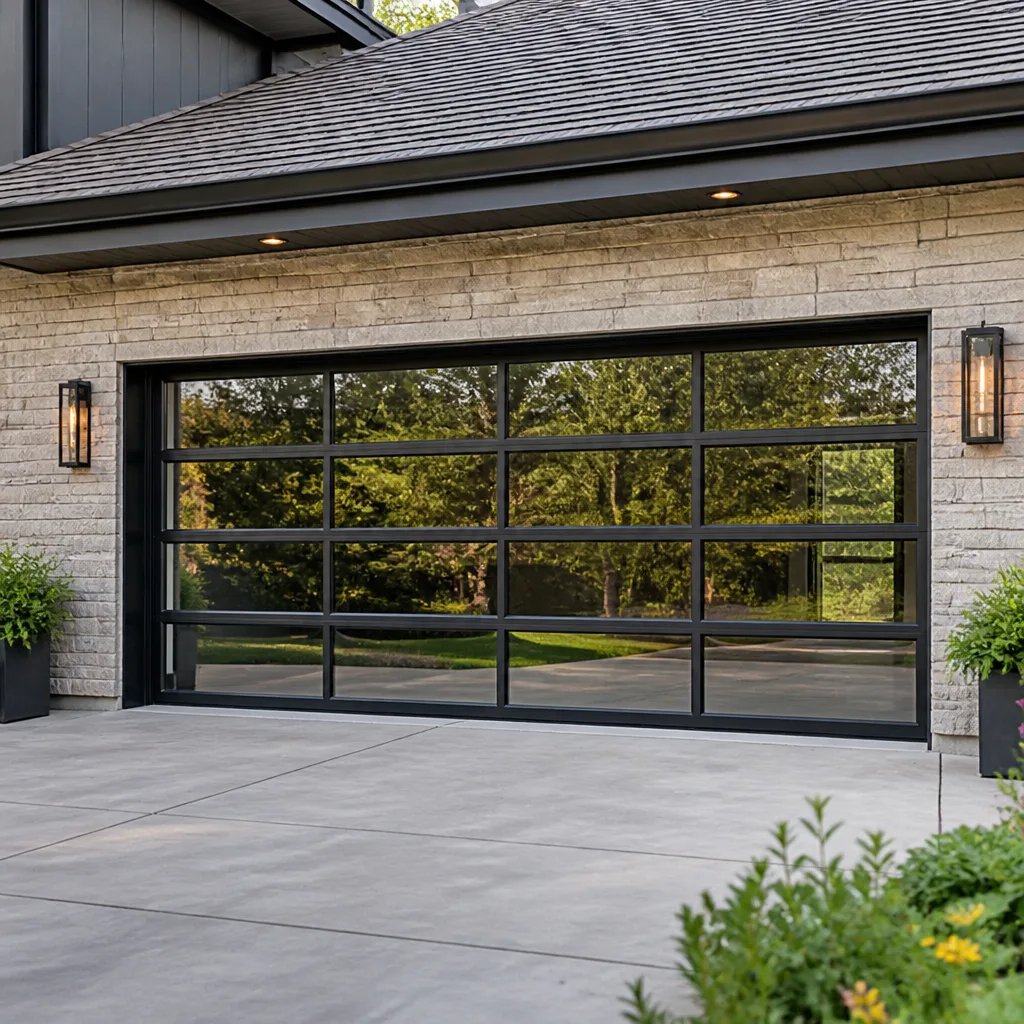 Full-view glass
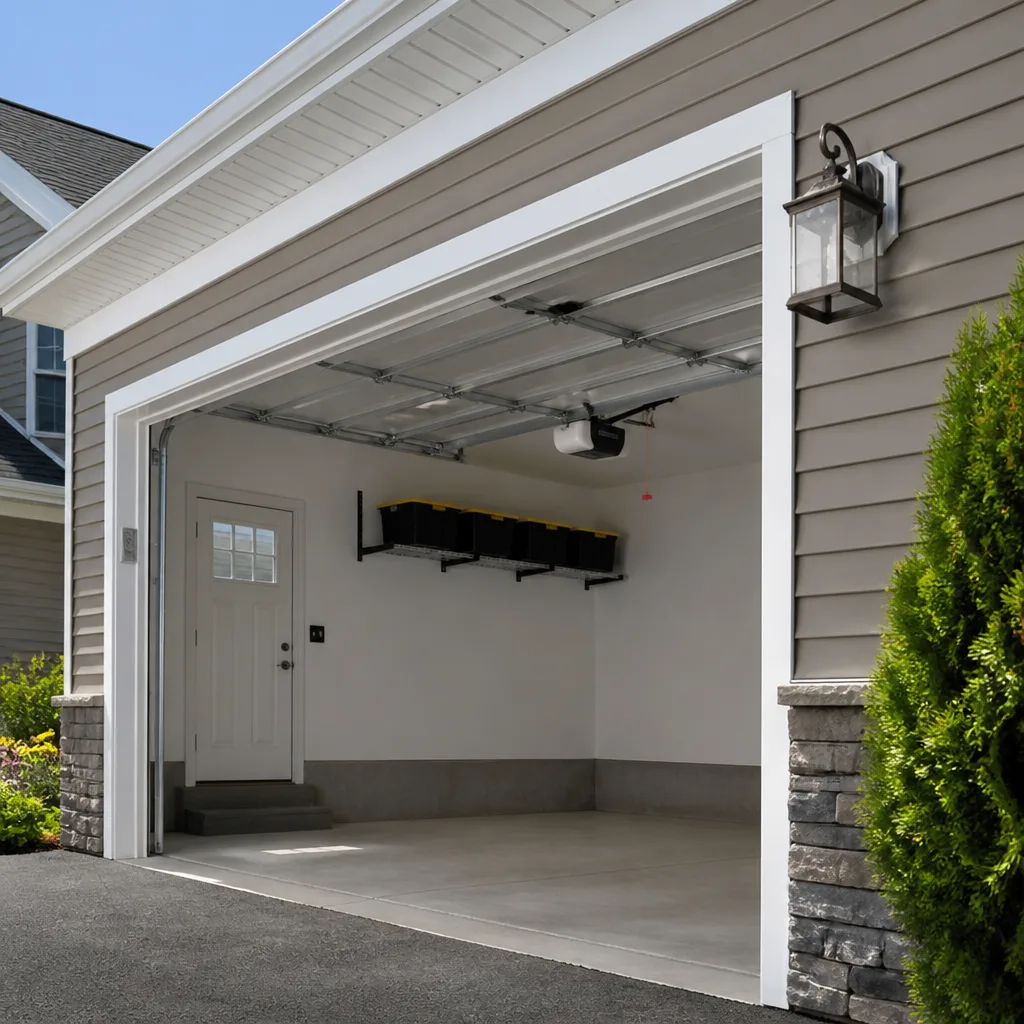 LiftMaster openers
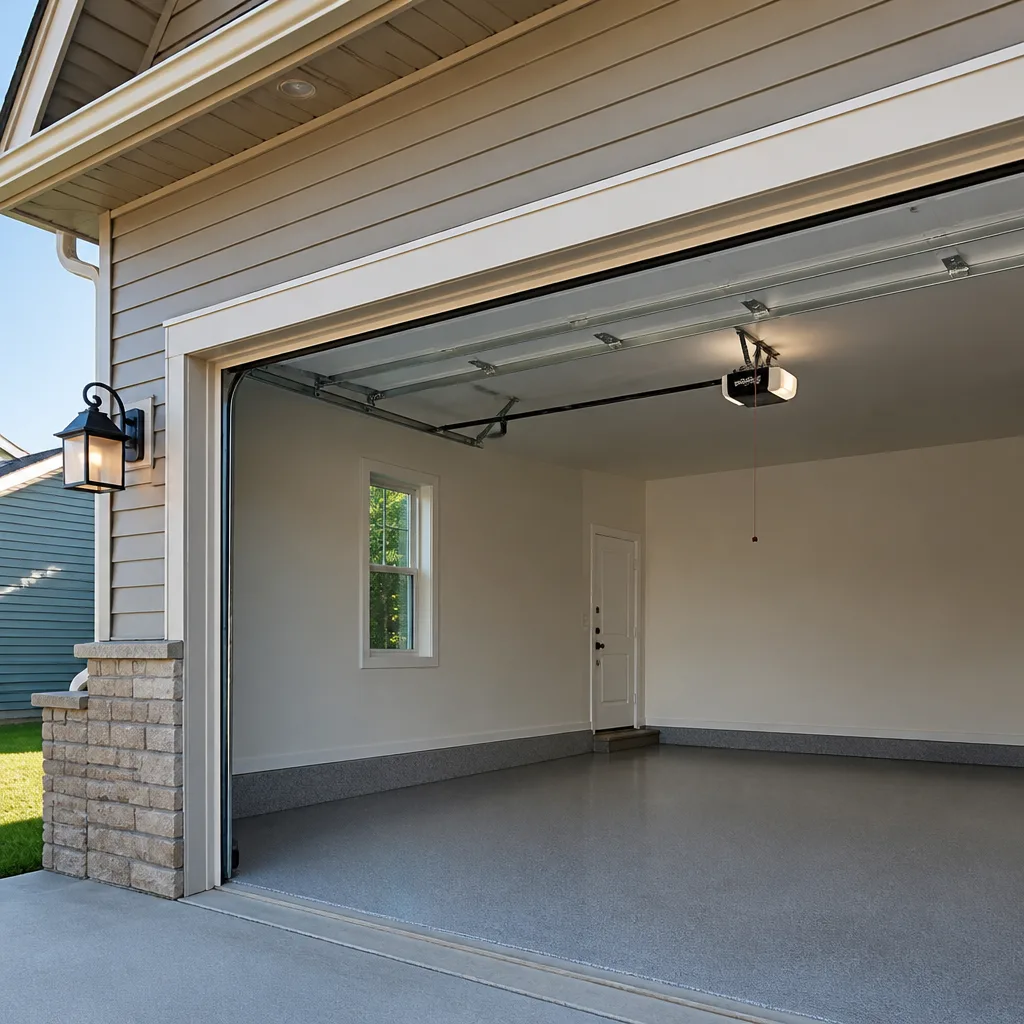 Chamberlain openers
Full 25-point door and opener safety check with every visit - springs, cables, rollers, tracks, and your LiftMaster or Chamberlain opener included
You get a price before we start. It does not change when the pro arrives.
Get your free estimateSeasonal Garage Door Care for Rockville: Year-Round Homeowner’s Guide
Most homeowners treat garage door maintenance as a single chore they get to once a year, usually after something breaks. But your door doesn’t face one kind of stress in Rockville – it faces several, and they change with the calendar. What a door needs in February, when lows settle near 25°F and the bottom seal can freeze to the slab, is nothing like what it needs in July, when humidity swells wood panels and heat pushes steel tracks against their anchors. A door that got a “tune-up” in April may still bind in August. This guide maps care to the actual stresses each Rockville season delivers: what to check in fall, how to respond when a door freezes shut, what to inspect after road salt season, and why September and October are the highest-value weeks of the entire year for your door.
Styles & brands we work with
- Raised-panel steel
- Carriage house
- Modern flush
- Full-view glass
- LiftMaster openers
- Chamberlain openers
Quick Answer
A garage door in Rockville should get a small check at each change of season, with the heaviest work done in fall before the first hard freeze. Winter calls for freeze prevention and a seal inspection, spring calls for a post-winter cable and spring inspection plus track cleaning after road salt season, summer calls for watching wood and composite doors for humidity swelling, and fall is when you lubricate, balance, and seal the door so winter doesn’t turn into an emergency call.
Table of Contents
- Why Rockville’s Climate Is Hard on Garage Doors
- Fall Is the Highest-Value Maintenance Window (September – October)
- Winter Prep Before the First Hard Freeze (October – November)
- What to Do When a Door Freezes to the Ground (December – February)
- Spring Reset: Post-Winter Inspection (March – April)
- Summer: Humidity, Expansion, and UV (June – August)
- A Month-by-Month Rockville Care Calendar
- What You Can Safely Do Yourself
- Common Mistakes to Avoid
- When to Call a Professional
- Frequently Asked Questions
- The Bottom Line
Why Rockville’s Climate Is Hard on Garage Doors
Rockville sits in a part of Maryland where the temperature swings widely within a single year – January lows near 25°F and August highs above 90°F. That’s a wide working range for any mechanical system, and a garage door is a mechanical system. It’s a set of springs, cables, rollers, tracks, and panels that all expand, contract, and shift at different rates depending on the material and how much of it faces the weather.
The practical result is a door that lives most of its life under constant movement. Steel tracks push against their mounting points in the heat and pull back in the cold. Wood and wood-composite panels absorb moisture in the humid months and dry out in the forced-air dry winter, which causes minor warping, panel separation, and paint cracking. Rubber weather seals harden in the cold and lose flexibility exactly when you need them to flex. And the springs, which do the heavy lifting, work harder in cold weather because cold metal is stiffer.
Rockville’s residential mix – older neighborhoods with original wood doors alongside newer construction with insulated steel and composite doors – means the care tasks differ from house to house. A wood door in a 1970s subdivision outside the Rockville Town Center area has different priorities than an insulated steel door on a newer build near King Farm. The seasonal protocol is the same, but the weight you give each task depends on your door and where in Rockville you live.
The reason to think in seasons rather than an annual checklist is that most door failures trace back to a specific seasonal stress that a season-appropriate check would have caught. You get a frozen seal in January because nobody tested it in October. You get a binding track in July because the humidity caught you by surprise. You get a snapped cable in spring because the salt season went ignored. Each season has its own set of things to look at, and the tasks that matter most are not the same in October, February, and July.
Fall Is the Highest-Value Maintenance Window (September – October)
If you do nothing else all year, do a full check in September or October. Fall is the highest-value maintenance window of the year because the tasks you complete now are the ones that prevent the majority of winter emergency calls. In our experience, the door failures that happen in January and February almost always trace back to something that was visible in October – a cracking bottom seal, a dry hinge, a door that was already beginning to bind but hadn’t yet frozen shut.
Here’s the fall protocol, in the order it makes sense to work through it:
- Inspect the bottom seal. The rubber or vinyl seal along the bottom of the door is the first line against cold air, moisture, and pests. It should be pliable, intact, and making good contact with the floor across its full width. A seal that’s hardened, cracked, or torn needs replacing before the first freeze.
- Test the balance. Disconnect the opener and lift the door by hand to about halfway. It should stay put with light effort. If it drops or races up, the springs are out of balance and need attention before cold weather makes the problem worse.
- Lubricate hinges, rollers, and springs. Use a low-temperature lubricant appropriate for garage door hardware. Regular grease can thicken and stiffen in cold weather; a proper low-temp product keeps working when the temperature drops.
- Clean and inspect the tracks. Wipe down the tracks and check for debris, bends, or loose mounting bolts. Fall is the season to catch track problems before ice and cold add stress.
- Test the manual release. This is the most overlooked task. If the power goes out or the opener fails, the emergency release is how you get the door open. Test it now, not in January when your car is trapped and the opener won’t respond.
- Check the weatherstripping around the frame. The seal around the door frame, not just the bottom, matters. Gaps here let in cold air and moisture that can freeze around the door edges.
- Look at the opener. Test the safety reverse, check the force settings, and listen for unusual noise. A door opener nearing the end of its service life often shows early signs in the fall.
The value of doing this in fall isn’t just convenience. It’s that repairs and replacements can be scheduled on your terms instead of on an emergency basis when the temperature is well below freezing and the car is stuck inside. If something needs a professional hand, a scheduling call in Rockville in October gets the work done without the winter scramble that every garage door company feels in January.
Winter Prep Before the First Hard Freeze (October – November)
Winter prep is the last chance to get your door ready before the cold settles in. In the Rockville area, the first hard freeze typically arrives during the cold stretch of late fall, and once that happens the door’s working environment changes quickly. Cold metal stiffens, seals harden, and any moisture that gets into small gaps can freeze, expand, and widen those gaps.
The three winter-prep tasks that matter most:
- Bottom seal inspection and replacement. We covered this in fall, but here’s why it deserves its own line: a failing bottom seal doesn’t just let cold air in. It lets in moisture that freezes along the base of the door, and a door that’s frozen to the ground is a door you can’t open. Replace any bottom seal that isn’t making clean contact across the entire width of the door.
- Low-temperature lubricant swap. Most garage door hardware comes from the factory with a light lubricant that’s fine in mild weather but can thicken in the cold. Before the first freeze, apply a product rated for low temperatures to hinges, rollers, and spring coils. This is the single change that does the most to keep a door working smoothly through winter.
- Manual release test. We mentioned this in the fall section, and it deserves repeating here because the stakes are highest in winter. If the opener fails or the spring breaks when the door is down, the manual release is how you get the door up. Test it before the cold, and know how to use it. A homeowner who tries to figure out the emergency release for the first time at 7am on a freezing morning is a homeowner who calls us in a hurry.
There’s one more thing to check before winter that’s easy to forget: the door’s overall alignment. A door that sits slightly out of square in October tends to bind more in the cold, because cold metal tracks are less forgiving of a door that’s pushing against them. If the door has been dragging or making noise, address it before winter rather than after. A simple alignment adjustment now prevents a frozen, stuck door later, and it’s the kind of work a specialist should handle rather than a general handyman who only occasionally sees garage door systems.
What to Do When a Door Freezes to the Ground (December – February)
Even a well-maintained door can freeze to the ground in a Rockville winter, especially during an ice storm or after freezing rain. The bottom seal can bond to a cold garage floor or driveway apron, particularly if the seal has any moisture on it. What you do next matters a great deal, because the wrong move can cause real damage to your door and opener.
The single most important thing: never force the opener. Do not repeatedly press the button hoping the door will break free. Do not pull the manual release and try to lift the door by hand if it’s still frozen. A door bonded to the ground and forced open can tear the bottom seal, bend panels, strain the opener’s drive mechanism, and in the worst case snap a spring or cable under sudden load. A simple frozen seal is a minor problem; a forced door can turn it into a major repair.
Here’s the safe approach:
- Stop using the opener. Once you realize the door is frozen, don’t press the remote or wall button again. Give the system a break.
- Disconnect the opener if you can do so safely. If the door is fully closed, pull the manual release cord to disconnect the opener so it can’t be triggered into forcing the door open. Don’t attempt to lift the door by hand; leave it down.
- Warm the seal gradually. If it’s a light freeze, you may be able to free the seal with warm (not boiling) water poured along the bottom, or by letting the sun hit the door. Rushing this with a heat gun or open flame risks damaging the seal and is never worth the risk.
- Clear any ice on the apron. Ice built up on the driveway apron just outside the door is a common cause of a stuck door. Remove it carefully, and consider a mat or drainage fix if it happens repeatedly.
- Test carefully once freed. Once the door is free, open and close it slowly by hand before reconnecting the opener, watching for any binding. If anything feels wrong, stop and call for service.
If the door won’t free safely, or if it’s frozen because the door was already misaligned, call for emergency garage door service in Rockville rather than risk damage. A frozen door that can’t be freed is exactly the situation emergency service exists for – the car is trapped, the house is unsecured, and the door needs a trained hand. When your garage door stops, we move fast.
Spring Reset: Post-Winter Inspection (March – April)
Spring is the season to find out what winter did to your door. The cold months are hard on cables, springs, and tracks, and the damage isn’t always obvious until you look. In our experience, this is the season when most hidden winter wear shows up: a cable with broken strands, a spring that’s lost tension, a track that’s slightly bent from winter movement.
The spring protocol has three main parts:
- Cable inspection. Cables are under high tension and are one of the most common spring failures after a hard winter. Look for fraying, broken strands, or a cable that’s come off its drum. Cables are a genuine safety hazard – if you see damage, don’t operate the door; call for professional service.
- Spring inspection. Springs are the highest-risk component on any garage door. A spring that’s lost tension, developed a visible gap, or is making unusual noise needs attention from a specialist. This is the repair many general handymen decline to perform, and for good reason: high-tension springs can cause serious injury if handled without the right tools and training. Spring repair is something we do in-house with trained technicians, and it’s a job that should never be a DIY project.
- Track cleaning after road salt season. Rockville winters mean road salt, and road salt plus moisture is hard on tracks, hinges, and hardware. Once the salting season ends, wipe down the tracks, clean out any grit, and check the rollers and hinges for corrosion. A clean track that’s free of grit runs smoothly; a gritty one wears out rollers quickly.
Spring is also the right time to re-tension the weather seals around the door. Winter cold and dry air can shrink and harden seals; as the weather warms, seals that shrank in the cold may no longer make a proper seal. Check the bottom seal and frame weatherstripping, and replace anything that’s no longer pliable. This is the season when a little maintenance prevents a summer of small problems and a fall scramble. If a spring or cable needs replacement, that’s a job for a technician trained specifically on garage door systems, and we can handle it when we come out.
Summer: Humidity, Expansion, and UV (June – August)
Summer brings a different set of stresses, and the one most homeowners underestimate is humidity. Rockville summers are humid, and high humidity is hard on wood and wood-composite doors. Wood absorbs moisture and swells; wood-composite doors can do the same, and paint on either can blister or peel when the door cycles between humid and dry conditions. A door that was perfectly aligned in May can bind in July because the panels have swelled slightly and pushed against the tracks.
Here’s what to watch in summer:
- Watch for track binding in July. If the door feels stiff, moves unevenly, or the opener seems to strain in hot weather, humidity-driven expansion may be the cause. Check whether the door is binding at the tracks. Steel tracks also expand in the heat, and that expansion can tighten the gap between the track and the door’s rollers.
- Inspect wood and composite panels. Look for paint cracking, panel separation, or signs of moisture. Left alone, small seasonal swelling can become a permanent warp.
- Check the UV exposure. Sun-facing doors take a lot of UV in a Rockville summer. UV degrades seals, fades paint, and can crack wood panels over time. Consider whether your door’s finish needs attention before fall.
- Lubricate again. Summer heat and dry spells can dry out hardware. A mid-summer lubrication of hinges, rollers, and springs keeps everything moving smoothly and prevents the small squeaks from becoming bigger problems.
Summer is also when any opener issues tend to show up. If you have a LiftMaster or Chamberlain opener that’s been working fine, hot weather can expose a motor or logic board problem that was hidden in cooler months. If the opener struggles or reverses unexpectedly, get it checked by a specialist. Heat is a real stress on the electronics and the motor, and an opener issue in the middle of a hot Rockville summer is easier to catch early than to fix at the first cold snap. If your opener is a Genie, LiftMaster, or Chamberlain model, our garage door opener repair covers the brands most Rockville homes already have.
A Month-by-Month Rockville Care Calendar
Here’s the whole year in one view. This is the checklist most Rockville homeowners find easiest to actually use – pin it to the garage wall and work through it as the seasons turn.
| Season | Months | Priority Tasks |
|---|---|---|
| Fall (highest value) | Sep – Oct | Full inspection: bottom seal, balance test, lubricate hinges/rollers/springs with low-temp product, clean tracks, test manual release, check opener. |
| Winter prep | Oct – Nov | Replace any failing bottom seal, confirm low-temp lubricant, ensure manual release works, check alignment before cold. |
| Winter | Dec – Feb | Never force a frozen door. Disconnect the opener, warm the seal gradually, clear ice on the apron, call for emergency service if the door won’t free safely. |
| Spring reset | Mar – Apr | Inspect cables for fraying, inspect springs, clean tracks after road salt season, re-tension weather seals. |
| Summer | Jun – Aug | Watch for humidity swelling on wood/composite doors, check for track binding in heat, inspect UV damage, re-lubricate, monitor the opener. |
The pattern is deliberate. Fall does the heavy work, winter is about response rather than repair, spring is about finding winter damage, and summer is about managing heat and humidity. If you only do one big maintenance session per year, make it fall. If you do two, make the second one in spring. Clean the tracks and wipe down the hardware at the start of spring, and check the bottom seal and manual release at the start of fall.
What You Can Safely Do Yourself
Some seasonal garage door tasks are well within reach for a homeowner, and doing them yourself keeps the door in better shape between service calls. Others are genuinely dangerous and should always be handled by a trained professional. The line between the two is important, and it’s not about whether you’re handy – it’s about what fails if something goes wrong.
Safe to do yourself:
- Wiping down the tracks and clearing debris.
- Lubricating hinges, rollers, and the visible parts of the springs with a product rated for garage door hardware.
- Testing the manual release and the safety reverse.
- Visually inspecting the bottom seal and the weatherstripping.
- Clearing ice from the apron and testing the door carefully after it’s freed.
- Checking for obvious panel damage, rust, or weather wear.
Not safe to do yourself:
- Replacing or adjusting springs. High-tension springs are under enormous load and can cause serious injury if handled without the right tools and technique.
- Working on cables under tension. A slipping cable can cause injury and door damage.
- Anything involving the opener’s electrical connections if you’re not comfortable with mains wiring.
- Major track straightening or alignment if you’re not sure what “aligned” looks like.
The safe assumption is this: if a task involves a spring, a cable, or opening the opener’s electrical cover, it’s a job for a specialist. If it involves cleaning, lubricating, testing, or looking, it’s a job you can do. When in doubt, get the door looked at – a free estimate and a technician’s eye catches problems that are easy to miss and expensive to ignore.
Common Mistakes to Avoid
- Forcing a frozen door with the opener. It’s the single most common winter mistake, and it’s the one most likely to turn a minor frozen seal into a snapped spring or bent panel. Never press the button repeatedly when the door won’t move – disconnect and free it safely.
- Skipping the fall inspection because the door “feels fine.” A door that runs smoothly in October can still be a door with a dry hinge and a hardening bottom seal. The failure shows up in January, when it’s much harder to schedule a repair on your terms.
- Using regular grease in cold weather. Standard lubricant can stiffen and thicken when temperatures drop, which makes the door harder to operate and puts extra strain on the opener. Use a low-temperature product before winter.
- Ignoring road salt on the tracks. Salt grit and corrosion wear rollers and hinges through spring and summer. A little cleanup after salting season saves a bigger repair later.
- Overlooking humidity swelling on wood and composite doors. A door that binds in July is often a door that swelled in the humidity. Don’t write off summer stiffness as normal; check the tracks and the panels.
- Assuming an annual tune-up covers every season. A single spring visit doesn’t cover the freeze stress of winter or the swell of summer. The tasks that matter change with the season, which is the whole point of a seasonal protocol.
- Ignoring the opener as it ages. Opener problems often start small – a slow reversal, an unusual noise, a remote that needs re-pairing. Catching them in fall or spring beats waiting for a failure in the middle of winter.
When to Call a Professional
Some situations call for a trained technician, not a homeowner with a ladder. Call a professional if the door won’t open or close and won’t free safely, if you see a broken spring (a visible gap, a spring that’s sagging, or the door suddenly feeling far too heavy), if a cable is frayed, snapped, or off its drum, if the door is off its tracks or sitting crooked, if the opener struggles or reverses without reason, or if the door begins binding at a specific point in its travel. Spring and cable work is genuinely dangerous, and a door that’s binding or out of alignment can damage the opener if it’s forced. Rockville Garage Door Repair Co offers free estimates in Rockville – call (855) 337-1750. Our technicians have up to 11 years of experience, and the local pro is licensed and insured as their state requires.
Frequently Asked Questions
Check your garage door at every change of season, with a full inspection in fall. The seasonal approach matters more than a single annual visit because Rockville’s cold winters and humid summers stress different parts of the door at different times of year. At minimum, do a thorough fall inspection and a spring reset, and handle the smaller checks in between.
Moisture along the bottom seal freezes to the cold garage floor or driveway apron, and the seal bonds to the surface. A hardening or damaged bottom seal makes this more likely, so inspecting and replacing the seal before the first hard freeze is the best prevention. If the door does freeze, never force it with the opener – warm the seal gradually and free it carefully, or call for emergency service.
Broken springs are a high-priority repair, and same-day service is often possible for urgent calls like a trapped car or an unsecured home. Springs are dangerous to handle without training, so we don’t recommend running the door until a technician has replaced them. Call (855) 337-1750 for an exact quote – estimates are free.
No. The price is quoted and agreed before any work starts, based on what we find when we inspect the door. The written estimate is the price. If the inspection turns up a bigger problem than expected, we talk through the options before doing any additional work.
No. Springs are under high tension and can cause serious injury if handled without the right tools and training. Spring repair is one of the most dangerous garage door jobs, and many general handymen decline to perform it for that reason. We do spring repairs in-house with trained technicians – it’s a job to hand to a specialist, not a weekend project.
Wood absorbs moisture and swells, and wood-composite panels can do the same, which can cause the door to bind against the tracks in July. You may also see paint blisters or panel separation. Checking the door’s fit at the height of summer catches humidity swelling before it becomes a permanent warp, and a clean, lubricated track handles the extra stress better.
The Bottom Line
Seasonal care works because each season stresses a different part of your garage door. Fall is the highest-value window – seal, lubricate, balance, and test the manual release before the first freeze. Winter is about response: free a frozen door safely and never force the opener. Spring is for finding winter damage on cables and springs and cleaning road salt off the tracks. Summer is for watching humidity swelling and heat-related binding. A Rockville homeowner who follows this rhythm avoids most of the emergency calls that come from a door nobody looked at between the seasons. If you’d rather have a trained eye do the seasonal check – or you’re facing a door that’s already stuck – that’s what we’re here for.
Garage doors are all we do, and we service the brands Rockville homes already have – from Raynor and LiftMaster to Chamberlain and Genie – so one call covers repair, replacement, and everything in between. If something needs a professional hand, or if you’d like a seasonal inspection before the weather turns, reach out to Rockville Garage Door Repair Co and we’ll get your door back in service today.
Call (855) 337-1750 for a free estimate. We’ll take a look, walk you through what the door needs, and give you a written price before anything starts. Whether you need seasonal care, garage door repair, or a garage door installation in Rockville, one call gets it scheduled.
Written by the team at Rockville Garage Door Repair Co.
See the difference
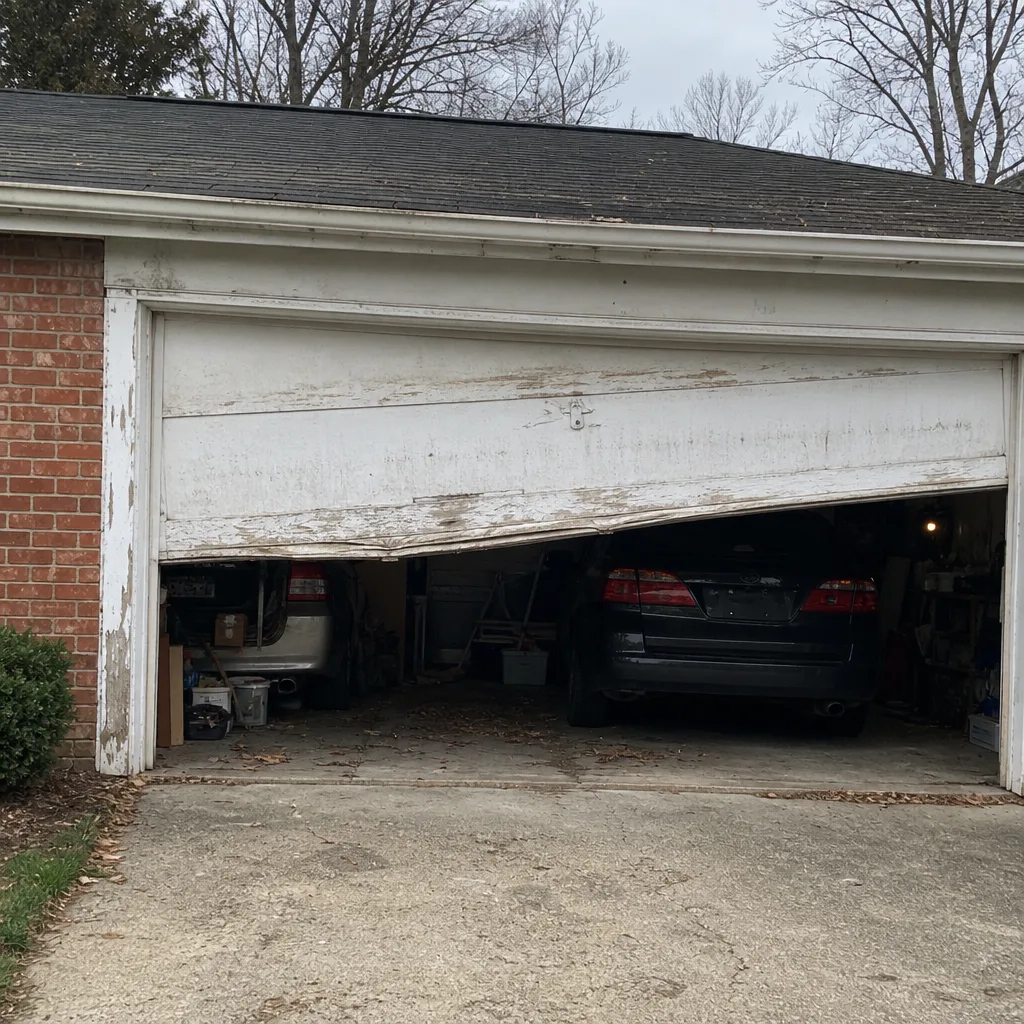 Before
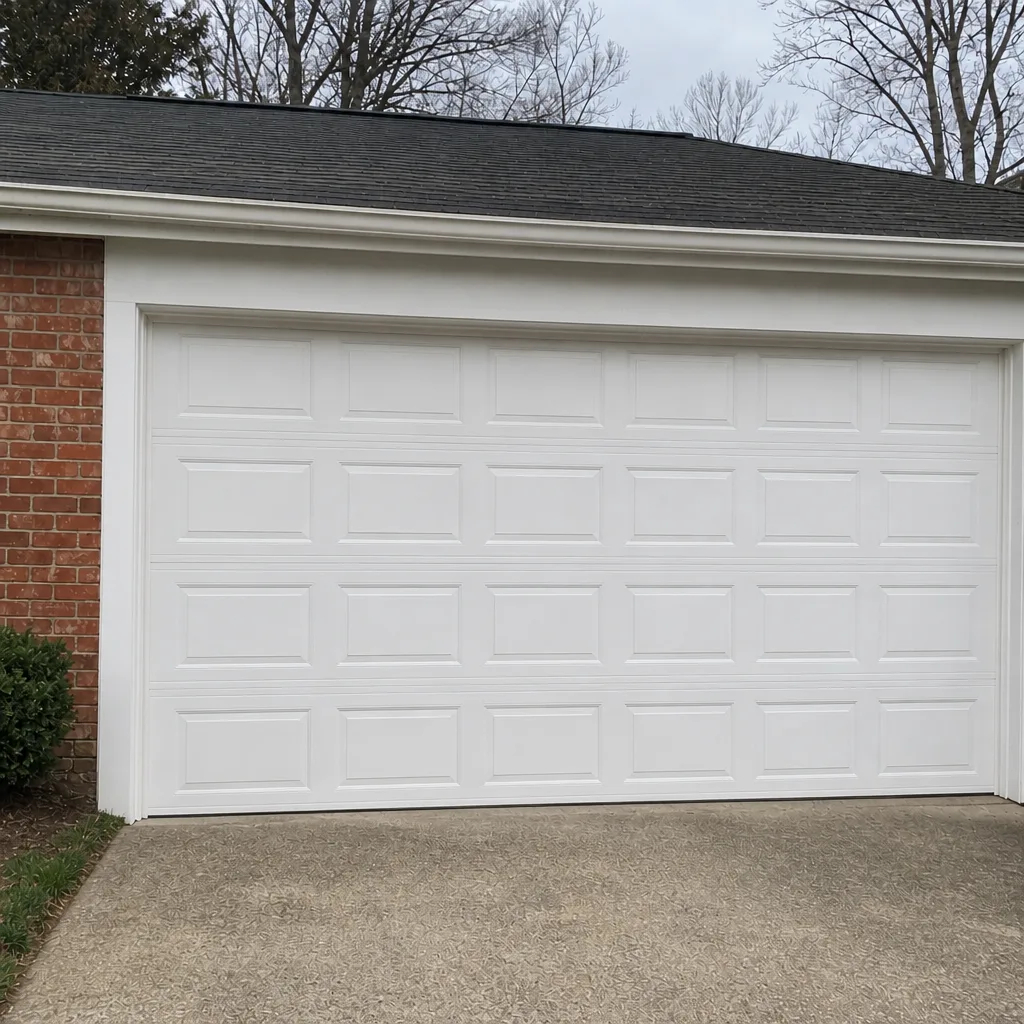 After
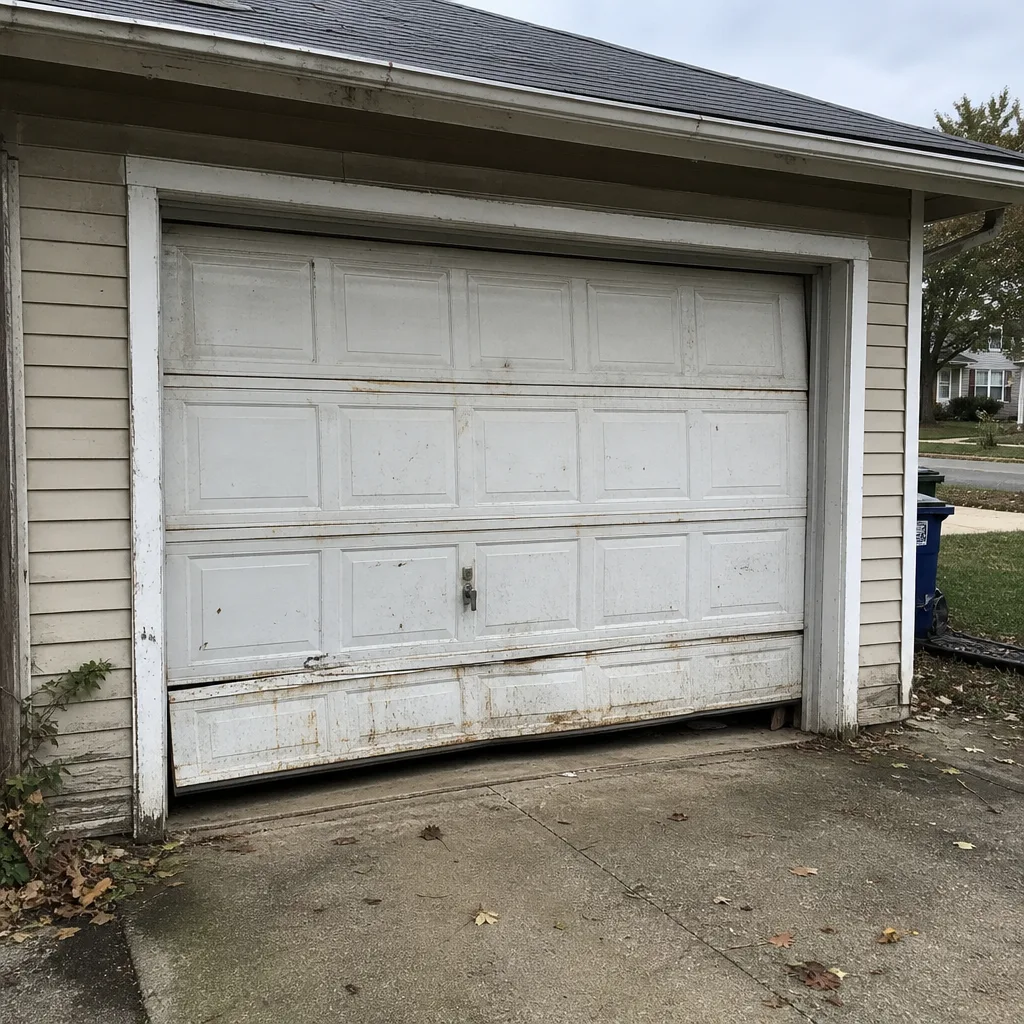 Before
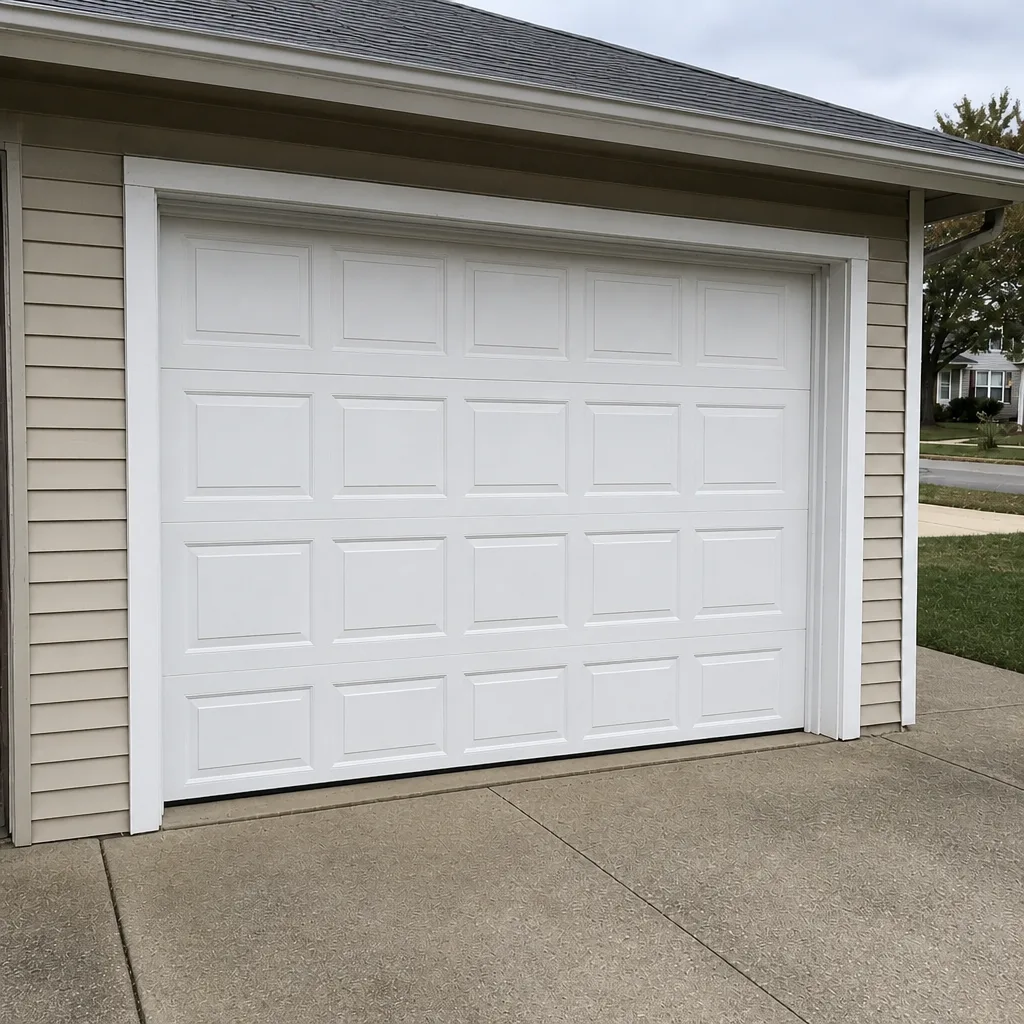 After
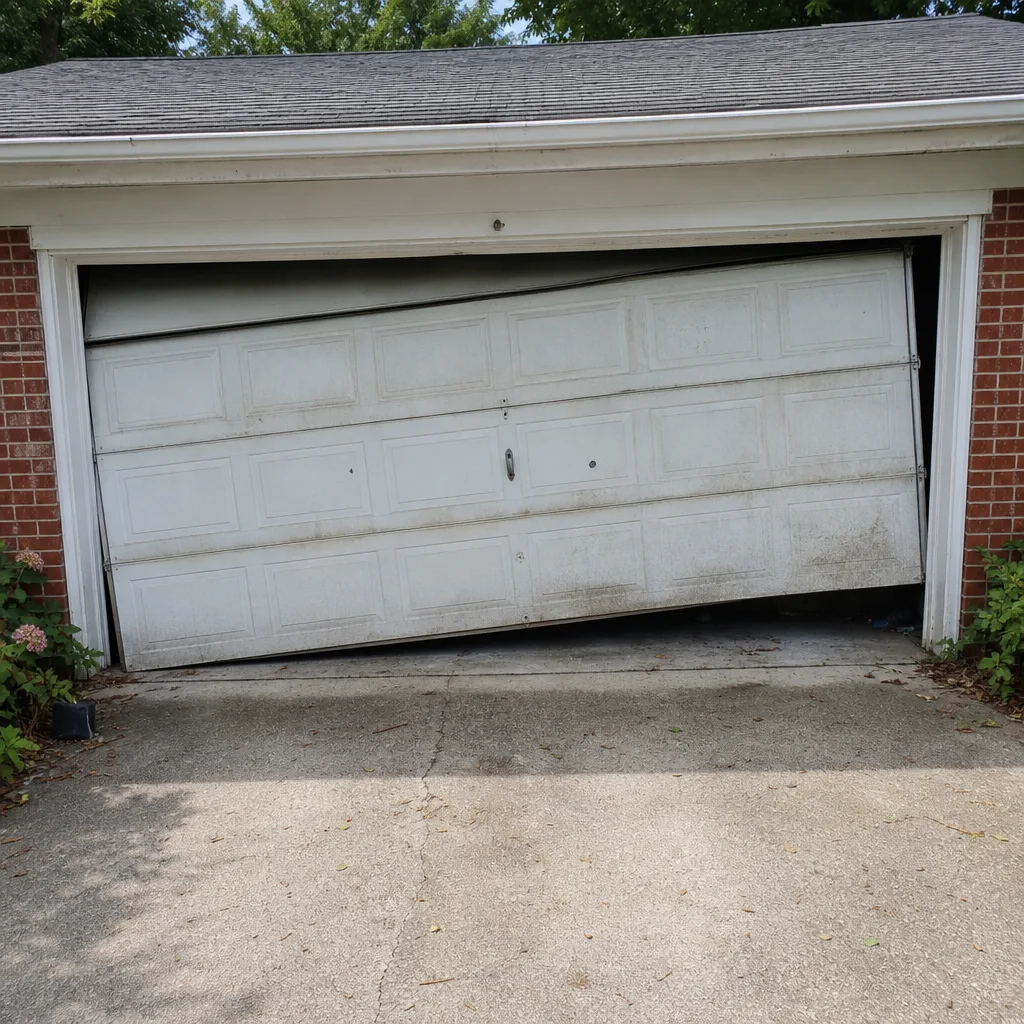 Before
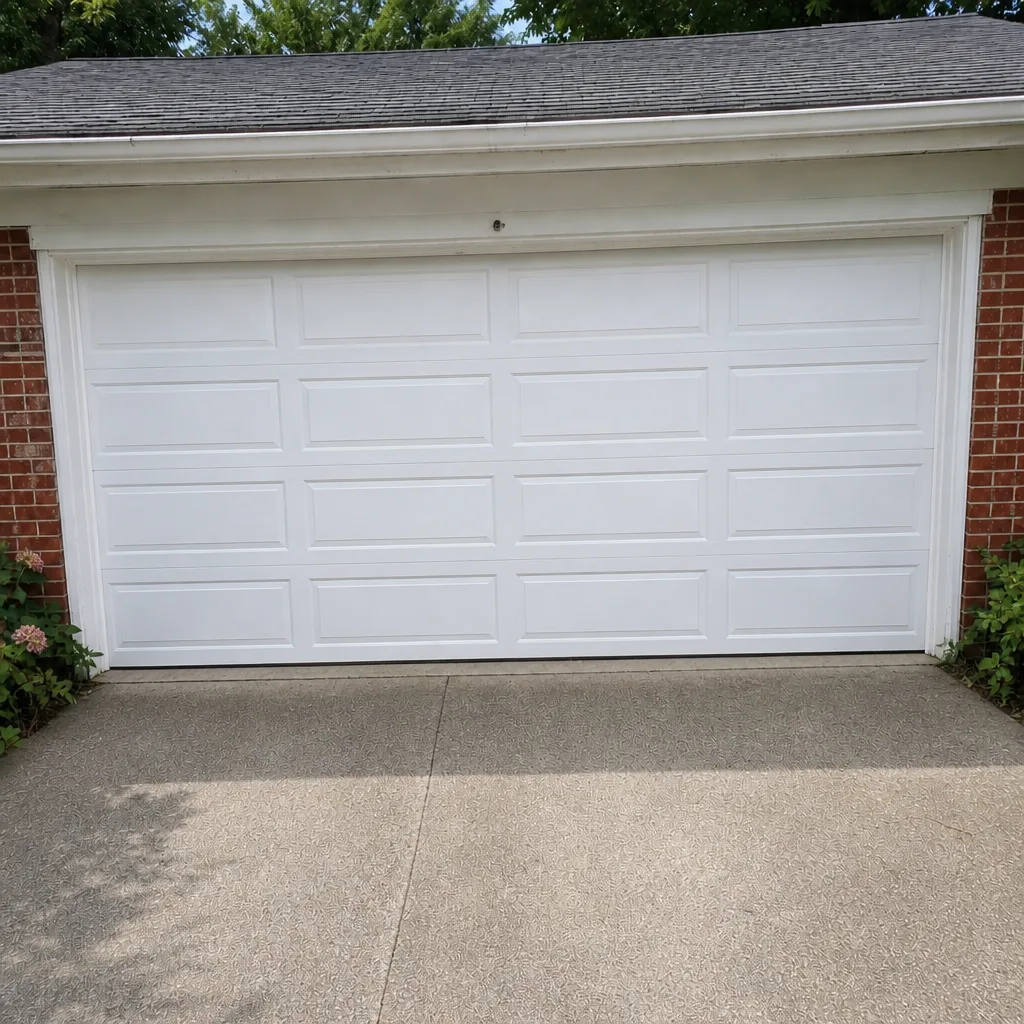 After